Apple's upgraded AI-powered Siri could come in 2026 with iOS 26.4
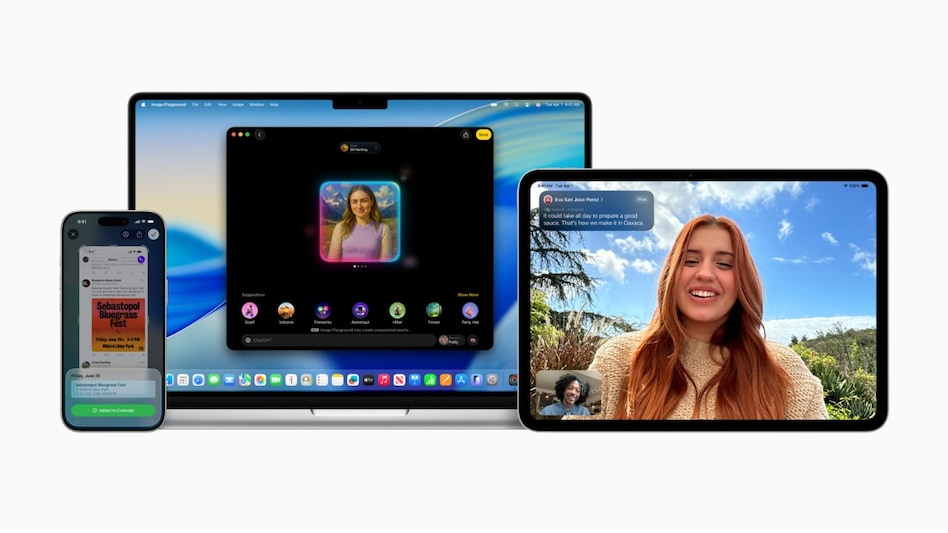
Apple is gearing up for a significant upgrade to its Siri voice assistant, now scheduled for release in the spring of 2026 as part of the iOS 26.4 update. This anticipated overhaul is a crucial step in Apple's ongoing commitment to enhancing its artificial intelligence capabilities, although the project has faced multiple delays due to various internal challenges. Initially teased at the WWDC 2024 event, the revamped Siri aims to provide users with more intelligent and contextually aware interactions by harnessing personal data and recognizing on-screen activities. Apple had previously demonstrated how the new Siri would be able to grasp user context more effectively and execute actions based on visible content. However, the company announced in March 2025 that the launch would be postponed, indicating that the development process was taking longer than expected. During a recent discussion, Greg Joswiak, Apple's Senior Vice President of worldwide marketing, confirmed that the anticipated release timeframe now points towards 2026. Historically, Apple has launched new iOS versions in March, with previous updates like iOS 18.4 and iOS 17.4 debuting on the last day of March and early March, respectively. Originally, the Siri upgrade was slated to coincide with the launch of the iPhone 16 series in late 2024. However, the only updates at that time were minor visual changes, while the core AI enhancements were postponed. By spring 2025, plans to integrate these features into iOS 18.5 also fell through, pushing the release to 2026. Reports indicate that one of the main reasons for the delays stemmed from Apple's initial strategy to combine the existing Siri framework with a new AI platform. This approach led to technical difficulties, with internal tests revealing that Siri could misinterpret user requests approximately one-third of the time. Consequently, Apple made the decision to completely rebuild Siri using a new large language model known as 'Siri LLM.' The project has undergone significant restructuring, with John Giannandrea, head of AI, stepping down from overseeing consumer-focused AI products like Siri. Leadership has now shifted to Mike Rockwell, known for his role in developing Vision Pro, and Craig Federighi, Apple's Senior Vice President of Software Engineering. At the recent WWDC 2025, while new features like live translation for calls and the introduction of the Liquid Glass design were highlighted, the upgraded Siri was conspicuously absent from the showcase. Federighi addressed this absence, stating that the assistant requires more time to meet Apple's stringent quality standards. The delay in Siri's rollout is also impacting other hardware developments. A smart home hub originally planned for a March 2025 launch alongside the new Siri has been postponed. Furthermore, Apple is actively developing AI-driven smart glasses for release in 2026 but continues to rely on partnerships with companies like OpenAI and Google for essential image processing technologies. As Apple deliberates the balance between in-house AI development and potential acquisitions of smaller AI firms, the pressure mounts to deliver a competitive product, especially in light of advancements by rivals such as Google, Microsoft, and OpenAI. The release of the upgraded Siri in 2026 is expected to be pivotal for Apple's reputation in the AI sector, after years of inconsistent progress and evolving strategies.
Nvidia's $2 Billion Boost Sends Nebius Shares Soaring
Shares of Nebius Group surged by 10% on Wednesday following Nvidia's announcement of a massive $2 billion investment in ...
CNBC | Mar 11, 2026, 12:30
Innovative Pendant: Ex-Apple Engineer Launches Voice-Recording Jewelry with $5M Funding
The evolution of wearable technology is taking a fascinating turn, as voice transcription and note-taking emerge as key ...
TechCrunch | Mar 11, 2026, 14:30
AI Proficiency Now Essential for Career Growth at Accenture, Says CEO
At Accenture, demonstrating proficiency in artificial intelligence has become a crucial requirement for employees aspiri...
Business Insider | Mar 11, 2026, 12:40Unfreezing the Mystery: The Science Behind 'Tundra Tongue'
The iconic scene from the 1983 film, A Christmas Story, where a young boy’s tongue gets stuck to a frigid metal post, re...
Ars Technica | Mar 11, 2026, 12:40
Hino Motors Emissions Scandal Exposes EPA's Mixed Enforcement Record
For over ten years, Hino Motors Ltd. imported and sold more than 105,000 vehicles and engines with either misleading or ...
Ars Technica | Mar 11, 2026, 13:40