
Apple plays catch-up at WWDC
At the recent Worldwide Developer Conference, Apple initiated its keynote with a candid acknowledgment of past shortcomings. Rather than showcasing its much-anticipated AI-enhanced Siri right away, Craig Federighi, Apple's senior vice president of Software Engineering, took the opportunity to address a range of fixes that users have been clamoring for. Over the past two years, Apple has been striving to keep pace in the AI landscape, while frustrations regarding its core software have grown. Issues such as a disliked design overhaul, a search function struggling to perform, a file-sharing feature that frequently failed, and a Health app that overlooked a significant portion of its users had been mounting. Apple's approach during the keynote was telling, prioritizing improvements before rolling out new features. This strategy implied that the company understands the necessity of reinforcing its foundations before promoting trust in advanced AI functionalities. "Instead of just introducing a host of new features, we’re also taking the features you already rely on and making them even better, because we believe the best operating systems aren’t just built on big breakthroughs, they’re built on sweating the details," stated Federighi. This admission, though subtle, highlighted a recognition of past missteps. The keynote kicked off with Apple addressing the controversial Liquid Glass design, which had elicited significant backlash due to its impact on readability. Although aesthetically appealing, the design made certain screen elements difficult to decipher. Apple, acknowledging user feedback, introduced a new slider that allows users to adjust the transparency of the Liquid Glass effect, responding directly to requests for improved visibility. Subsequent updates included enhancements to the macOS toolbar for better differentiation between controls and content, as well as refinements to app icons for sharper definition. Performance upgrades were also announced, with apps launching 30% faster and files transferring up to 80% quicker via AirDrop. In a move indicative of changing consumer habits, Apple extended performance improvements to older models dating back to the iPhone 11, released in 2019. The company also tackled longstanding issues such as smoother transitions between Wi-Fi and cellular networks and a revamped search experience designed to be faster and more reliable. Notably, Apple’s Health app has introduced tracking for perimenopause and menopause, addressing a significant gap in its offerings as the menopause care market continues to grow. The new capability aligns with recent advancements in telehealth focused on menopause, showcasing Apple's responsiveness to user needs. iCloud shared photo albums have also been enhanced to accept contributions from users on Android and Windows, making shared experiences more inclusive. The keynote finally transitioned to the long-awaited announcement of AI-enhanced Siri, framed as part of a broader initiative rather than a standalone highlight. While Siri is set to enter beta later this year, its limited availability in regions like the EU and China highlights ongoing regulatory challenges. Apple unveiled additional AI advancements, including a feature that organizes web tabs, analyzes information, and generates custom Safari extensions on demand. The AI system will also suggest stronger passwords and provide context-based reply options in Messages. Calendar will now create events from natural language commands, a feature already available in some third-party applications. In terms of image management, Apple’s Image Playground has evolved, now capable of generating practical visuals. The introduction of AI-driven photo editing, such as the removal of distractions and composition adjustments post-capture, signals a significant leap forward in functionality. Overall, Apple’s WWDC revealed a strategic shift towards addressing user concerns while gradually integrating advanced AI capabilities into its ecosystem.
Revolutionizing Office Automation: Prentis Aims to Secure $100 Million in Funding
Prentis, a newly established AI research lab, is making waves in the tech industry as it prepares to raise $100 million ...
TechCrunch | Jul 25, 2026, 24:00
Vision Breakthrough: US Startup Launches Groundbreaking Retina Chip in Europe
Science Corp is poised to introduce a revolutionary retina chip in Europe, designed to restore partial vision for indivi...
Business Today | Jul 25, 2026, 01:00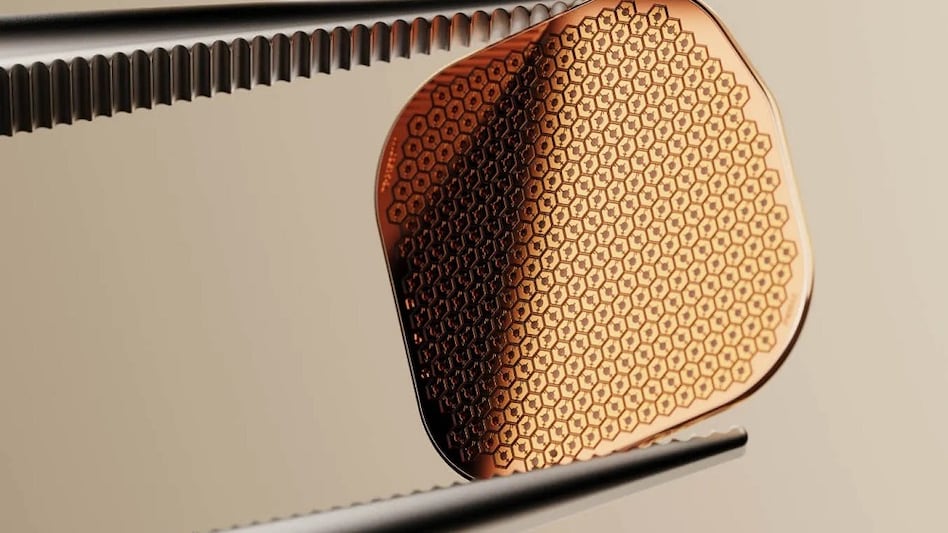
Unveiling the Future of Finance: TechCrunch Disrupt 2026's Smart Money Stage
The landscape of money is transforming beyond just cash or bank balances, and TechCrunch Disrupt 2026 is set to spotligh...
TechCrunch | Jul 24, 2026, 22:40
SpaceX Successfully Tests Starship Rocket, Launching New Era of Space Exploration
On Friday evening, SpaceX executed a significant milestone by launching its colossal Starship rocket from its facility i...
CNBC | Jul 25, 2026, 24:10
Vietnam's Controversial Social Media Proposal: A New Approach for Youth Engagement
Vietnam is contemplating a distinctive approach to youth social media regulations, diverging from the more common outrig...
TechCrunch | Jul 24, 2026, 21:25