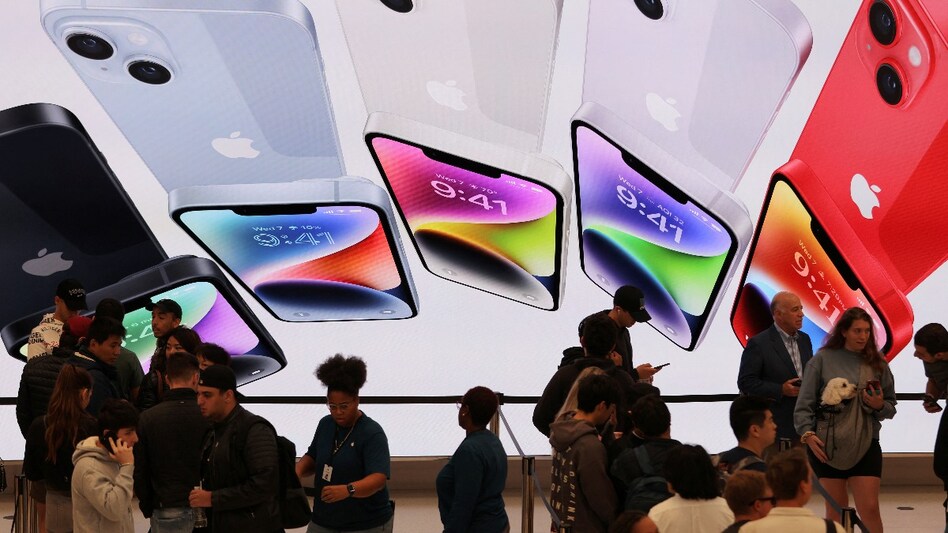
Apple reportedly pushing back against India’s order to preload cyber safety app on iPhones
Apple has reportedly decided not to follow the Indian government's recent directive that mandates smartphone manufacturers pre-install a state-owned cyber safety application on new devices, according to industry sources cited by Reuters. The order, which was issued confidentially to major companies including Apple, Samsung, and Xiaomi, requires the inclusion of the Sanchar Saathi app within a 90-day timeframe. Developed by India’s telecom department, this app aims to assist in tracking stolen devices, preventing misuse, and combating mobile identity fraud. However, many privacy advocates and political critics of Prime Minister Narendra Modi have expressed their concerns, arguing that this initiative could lead to increased state surveillance across the nation’s 730 million smartphones. Manufacturers are also instructed to extend the app to devices already in the supply chain through software updates, a requirement first reported by Reuters earlier this week. The Indian telecom ministry later confirmed this initiative, labeling it a protective measure against significant threats to national cyber security. According to two sources familiar with Apple’s position, the company plans to inform the Indian government that compliance is impossible as such mandates conflict with its global privacy standards and software policies. One source criticized the directive as overreaching, suggesting that the approach is excessively forceful. Apple has yet to officially comment on the situation. This development comes at a delicate time for Apple, which is currently navigating a separate legal battle with India’s competition regulator. The company has argued that the nation’s antitrust penalty laws could subject it to fines as high as $38 billion. A second insider revealed that Apple does not intend to contest the Sanchar Saathi requirement in court but will instead communicate privately with the government regarding the security concerns it presents. In contrast, Samsung is still assessing the directive and has not yet made a public statement. Political opposition has capitalized on the controversy, with Congress Party leader KC Venugopal voicing strong objections on social media, arguing against the potential for government surveillance. While Apple exercises stringent control over its App Store and the iOS platform, Android manufacturers have more leeway in customizing their software, which may affect their responses to the directive. Union Minister for Communications Jyotiraditya Scindia defended the initiative, stating that while the Sanchar Saathi app can be deleted, it is essential for the government to present it to users, leaving the choice of retention up to the individual.
Aliens, Action, and Intrigue: A Deep Dive into 'Disclosure Day'
The summer blockbuster season is officially underway with the release of 'Disclosure Day', a much-anticipated film from ...
Ars Technica | Jun 13, 2026, 17:20
Unlocking Puppy Potty Patterns: Insights from AI Analysis
In an innovative experiment, a couple took their puppy Oliver's potty habits to the next level by compiling detailed han...
Business Insider | Jun 13, 2026, 14:25State Attorneys General Launch Inquiry into OpenAI Practices
A coalition of state attorneys general has initiated an investigation into OpenAI's operations, with a subpoena issued b...
TechCrunch | Jun 13, 2026, 17:10
How Indian Workers Are Pioneering AI Training for the Future
In a remarkable trend, thousands of Indian individuals are supplementing their incomes by documenting their daily tasks ...
Business Today | Jun 13, 2026, 12:50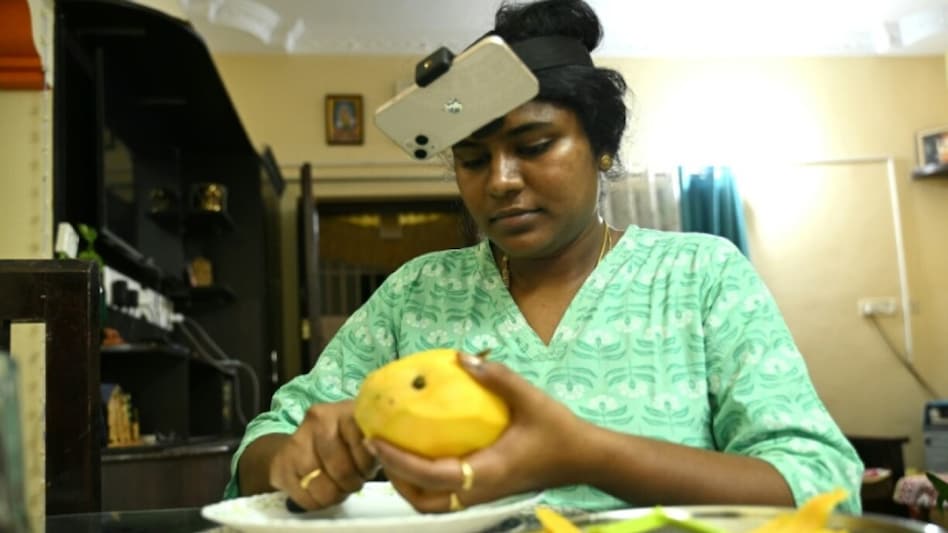
FBI Unveils Innovative Replica Town for Cyberattack Training
The FBI has revealed an impressive 22,000 square-foot replica town located on its Huntsville, Alabama campus, designed s...
TechCrunch | Jun 13, 2026, 11:15