Apple planning Vision Pro successor with M4 chip, AI features: Here's when it could launch
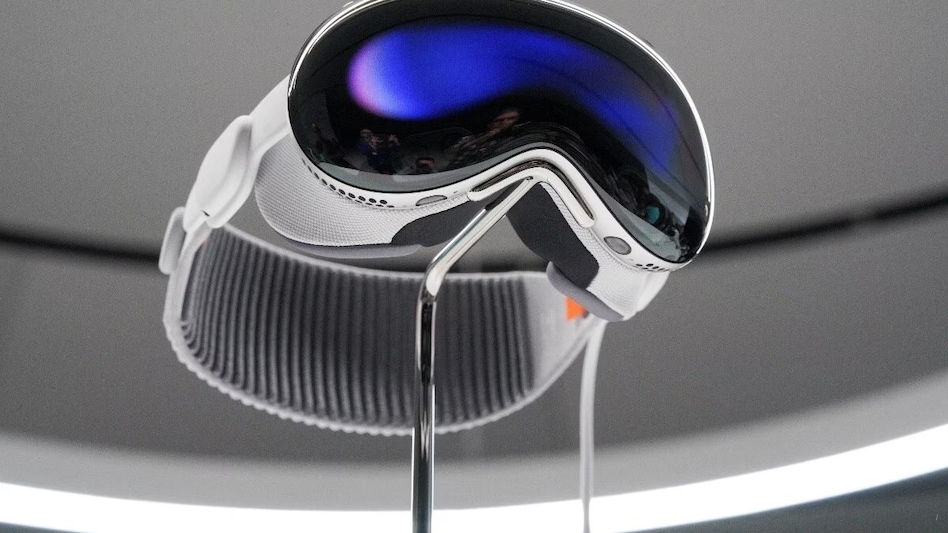
Apple is gearing up for a significant update to its Vision Pro mixed-reality headset, with a new model anticipated to launch later this year. According to insights from Bloomberg’s Mark Gurman, this iteration will preserve the original design while integrating a more powerful M4 chip along with an upgraded strap for enhanced comfort. The initial Vision Pro, which debuted globally last year, primarily targeted developers and early adopters. However, its steep price of $3,999 and relatively heavy build limited its appeal to a wider audience. With this upcoming refresh, Apple seems to be addressing initial user feedback, particularly concerns regarding long-term comfort and headset performance. Central to this upgrade is the M4 chip, the same technology that powers the latest iPad Pro. In comparison to the three-year-old M2 chip found in the first-generation Vision Pro, the M4 promises faster performance, seamless multitasking, and enhanced AI capabilities, making it particularly effective for resource-intensive applications and immersive experiences within visionOS. Furthermore, Apple is reportedly testing a variant of the M4 that features an advanced Neural Engine with over 16 cores, which, if successfully implemented, would mark a significant advancement for an Apple chip outside of the Ultra series, greatly enhancing on-device intelligence. While the core physical design and display system of the headset will largely remain the same, a newly redesigned head strap is on the way. This modification aims to alleviate complaints about neck strain and discomfort, allowing users to wear the headset comfortably for longer durations. This update is not expected to come with a price reduction or a drastic change in the overall form factor; instead, it is being seen as a refinement of the existing model until more substantial innovations are introduced in future releases. In tandem with the hardware enhancements, Apple will unveil visionOS 26, the latest version of its spatial computing operating system. This update will bring new features such as virtual widgets and eye-tracking scrolling, designed to create a more fluid and intuitive user experience. These improvements are expected to work seamlessly with the more capable M4 chip, enhancing overall usability. Looking ahead, Apple is also laying the groundwork for future innovations. A lighter and more budget-friendly version of the Vision Pro, potentially dubbed Vision Air, is reportedly in the works, with a possible launch around 2027. This version aims to significantly reduce both weight and cost, paving the way for broader consumer adoption. Additionally, Apple is exploring the development of its first smart glasses, similar to Meta’s Ray-Ban collaboration, with a tentative release expected in 2027. These glasses may feature gesture control, AI-powered environmental awareness, and built-in video recording capabilities. For now, Apple appears focused on refining its flagship headset while preparing for a more expansive augmented reality future.
CoreWeave Surpasses Revenue Expectations, Backlog Reaches $67 Billion
CoreWeave's stock experienced a decline of up to 7% in after-hours trading on Thursday, despite the AI-driven cloud infr...
CNBC | Feb 26, 2026, 21:35
Google Expands AI Integration Beyond Tech Teams to All Employees
In a significant shift, Google is intensifying its push for AI integration across the entire workforce, moving beyond ju...
Business Insider | Feb 26, 2026, 18:00Sophia Space Secures $10 Million to Revolutionize Space Computing with Innovative Cooling Solutions
In the race to deploy cutting-edge technology in outer space, the challenge of effectively cooling high-powered processo...
TechCrunch | Feb 26, 2026, 20:20
Futuristic Fitness: A Satirical Look at AI's Energy Needs in 2036
A striking new advertisement from the Belgian AI startup AiCandy imagines a future where humans fuel artificial intellig...
Business Insider | Feb 26, 2026, 18:40Smartphone Shipments Set for Historic Decline Amid RAM Shortage
A surge in demand for computers and data centers driven by artificial intelligence is leading to a significant shortage ...
TechCrunch | Feb 26, 2026, 20:20