Apple just landed a key win for the global encryption fight
In a significant turn of events, Apple has emerged victorious as the U.S. government announced that the United Kingdom has decided to abandon its request for a 'back door' into the company's encrypted systems. This decision is a relief not only for Apple but also for advocates of digital privacy worldwide. The issue at hand revolved around end-to-end encryption, a technology that ensures that communications between devices remain private, protecting user messages from even the service providers. The conflict began earlier this year when reports surfaced indicating that the British government sought access to Apple's encrypted cloud services through a technical back door. Apple has consistently opposed such measures, believing they compromise user security. This recent development follows extensive discussions between British and U.S. officials, who had expressed concerns over national security related to encryption. The implications of this decision could be far-reaching, potentially influencing the ongoing global discourse surrounding end-to-end encryption. Historically, tech companies have faced immense pressure from governments to weaken encryption for law enforcement purposes. High-profile cases, such as the FBI's attempt in 2016 to compel Apple to unlock an iPhone linked to the San Bernardino terrorist attack, spotlight the contentious nature of this debate. Similarly, when Meta announced its intention to implement encryption on its Messenger app, it faced backlash from the U.K. Home Office, highlighting the tension between technology firms and governmental authorities. Experts in cybersecurity warn that any back door created for governmental use would likely be discovered and exploited by malicious actors, posing a significant risk to user safety. U.S. national intelligence officials have also expressed concerns regarding the potential ramifications of Apple granting such access. For Apple, the U.K.'s withdrawal from its encryption demands could pave the way for the reintroduction of its Advanced Data Protection (ADP) service, which the company had suspended in the U.K. earlier this year. As of now, it remains uncertain whether Apple will reinstate its ADP service in the British market. Both Apple and the U.K. government have been contacted for further comments on this unfolding situation.
OpenAI Faces Leadership Exodus in Safety Sector Amidst Strategic Overhaul
OpenAI is witnessing a significant shift in its safety leadership, as Johannes Heidecke, the head of its Safety Systems ...
Business Insider | Jul 12, 2026, 20:35The Relentless Cycle of Tech Layoffs: Navigating the New Normal
In a landscape where corporate layoffs have become a regular occurrence, Microsoft recently announced the elimination of...
Business Insider | Jul 12, 2026, 09:55OpenAI Shifts Focus to Family-Centric AI Experiences
In a significant pivot, OpenAI is expanding its target audience from individual users to families as it seeks to enhance...
TechCrunch | Jul 11, 2026, 14:30
AI Demand Surges Amid Market Volatility: Experts Weigh In
The semiconductor market has experienced a remarkable surge over the past year, fueled by optimistic investments in AI i...
CNBC | Jul 12, 2026, 05:15
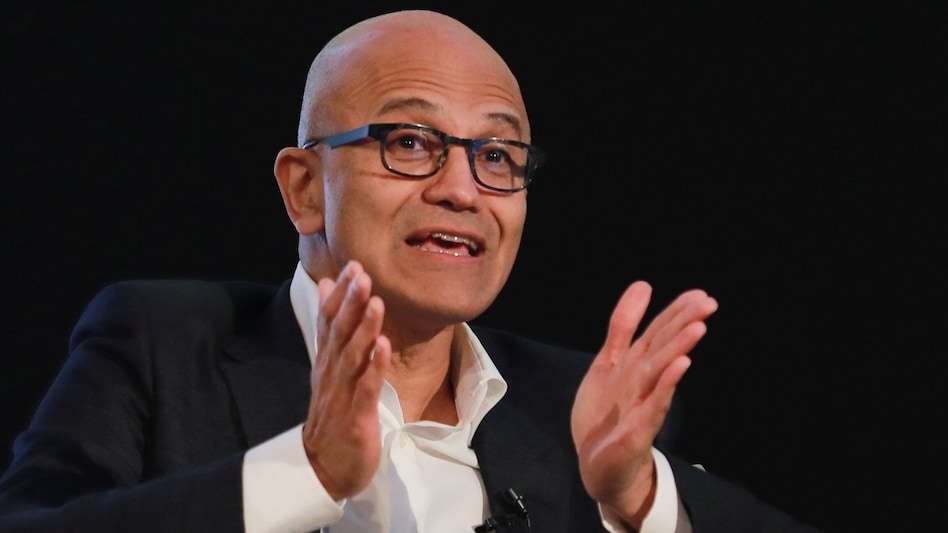
Navigating the New AI Landscape: Satya Nadella's Insights on Knowledge Ownership
In a thought-provoking discussion, Satya Nadella, Chairman and CEO of Microsoft, has ignited a crucial debate surroundin...
Business Today | Jul 12, 2026, 16:45