
Apple's R&D investments top 10% of sales as AI race creates 'sense of urgency'
For the first time in over three decades, Apple has increased its research and development expenditure to more than 10% of its revenue, signaling a strong commitment to artificial intelligence initiatives. During the March quarter, Apple's R&D spending reached 10.3% of revenue, an increase from 7.6% in the previous quarter and 9% in the same period last year. Remarkably, while overall sales climbed by 17%, marking the fastest growth since 2021, R&D investment surged nearly 34% year-over-year. As CEO Tim Cook prepares to transition leadership to John Ternus, the current head of hardware, he is intensifying investments in AI—something investors have been eager to see since the generative AI trend began with OpenAI in late 2022. Gene Munster, managing partner at Deepwater Asset Management, noted that Apple's increased spending positions it closer to leading tech giants like Google and Microsoft, whose average R&D growth was around 29% during the same timeframe. "Apple is catching up to the other mega-tech companies when it comes to R&D for AI," Munster remarked, highlighting a newfound urgency in Apple's approach to AI products. In its recent earnings report, Apple exceeded analyst expectations and raised its revenue forecast, emphasizing heightened demand for iPhones and Macs, as well as the global memory supply challenges driven by AI infrastructure needs. Cook acknowledged the uptick in R&D spending, stating that it is accelerating significantly and highlighting the company’s dedication to developing new products and services. Analysts from Bernstein and Bank of America have pointed out that the increase in R&D is indicative of Apple's aggressive pursuit of AI opportunities, with updates for Siri and Apple Intelligence expected later this year. They anticipate R&D spending will remain above 10% in the upcoming quarter before slightly declining in the latter part of the fiscal year. Historically, R&D spending as a percentage of revenue has been gradually climbing after being in the low single digits for the previous two decades. This recent surge mirrors the early 2000s, when Apple was rebounding from the dot-com crash and introduced the iPod, a product that transformed the music industry and solidified Apple's reputation in consumer electronics. While Apple has been lagging behind competitors in capital expenditures, investing only $4.3 billion in the last two quarters, it has partnered with Google to leverage its AI technology for upcoming features, including Siri upgrades. Cook expressed satisfaction with the collaboration, emphasizing the balance between internal AI development and partnerships. As anticipation builds for Apple's Worldwide Developers Conference (WWDC) in June, where new services and features are expected to be unveiled, industry experts are keenly interested in the specifics of Apple's AI initiatives. The company is also rumored to be working on AI-enhanced wearables and is preparing for a significant redesign of the iPhone, hinting at a transformative period ahead. Although Cook remains tight-lipped about future developments, he hinted at exciting progress in the pipeline, leaving investors eager for the next chapter in Apple's AI journey.
Kalshi Challenges Netflix Over Controversial Documentary Trailer
Kalshi, the prediction market platform, has taken significant legal steps against Netflix, sending a cease-and-desist le...
TechCrunch | Jul 25, 2026, 17:10
Market Turbulence: Four Key Factors Impacting Stocks This Week
This past week has been challenging for the stock market, driven by several significant forces that have created turbule...
CNBC | Jul 25, 2026, 20:05
Uber's Former CEO Makes Waves with New Ventures Amidst Tesla's Earnings Update
In the ever-evolving landscape of transportation, recent developments have come to the forefront, particularly surroundi...
TechCrunch | Jul 26, 2026, 16:25
Unleashing the Power of AI: The 5 Smartphones Redefining Mobile Photography
Artificial Intelligence (AI) is transforming our daily experiences, permeating various aspects of technology, including ...
Business Today | Jul 26, 2026, 07:05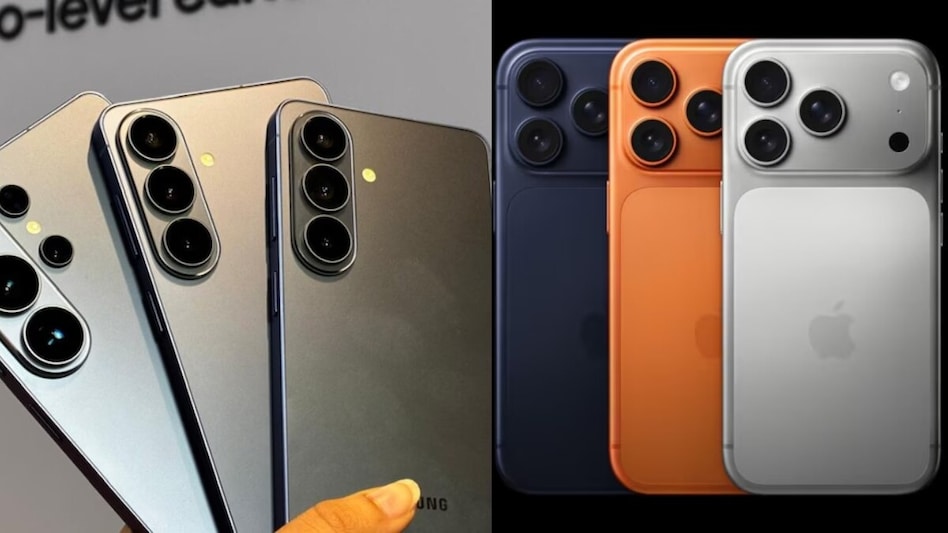
Reclaiming Control: Librarians Host Workshops to Help People Navigate AI Tools
In a lively library setting in South Philadelphia, Charlie Bailey, a local librarian, humorously noted, "Everybody’s on ...
TechCrunch | Jul 25, 2026, 16:20