
AI regulation is a mess, and Anthropic is caught in the crosshairs
Anthropic, a leading AI organization, recently faced a sudden ban on its latest AI model, Mythos, shortly after its launch. This drastic measure came from the Trump administration, which deemed the model a national security threat due to a reported jailbreak that could circumvent its internal safeguards. As a result, the government imposed an export ban, restricting access to the model even for some of Anthropic’s own employees. Anthropic disputes the government's reaction, asserting that the identified vulnerability does not warrant such extreme measures. This situation underscores the chaotic state of AI regulation in the U.S., as experts emphasize the need for government involvement in discussions around AI safety, particularly those with national security implications. The ongoing conflict between Anthropic and federal authorities raises a critical question about the absence of a transparent and consistent framework for regulating AI, a gap that some fear could hinder the industry’s growth in the country. The tension escalated after Anthropic disagreed with the Pentagon regarding modifications to its AI systems' safeguards for military applications, resulting in the Department of Defense designating the company as a “supply chain risk.” Additionally, Mythos garnered attention for its potential to identify cybersecurity vulnerabilities, prompting the firm to limit its release to select partners. A public version with restrictions, named Fable 5, was made available on June 9, but the Trump administration has since claimed that the guardrails are insufficient, potentially allowing malicious actors to exploit the model. In compliance with government directives, Anthropic suspended access to both Mythos and Fable earlier this month. This decision has led to calls for greater clarity regarding how the government approaches cybersecurity issues, with experts warning that without better processes, the U.S. could fall behind in the global AI competition. Jessica Tillipman, an associate dean at George Washington University, remarked on the necessity for discretion in national security matters but criticized the lack of a meaningful regulatory process. Discussions between Anthropic and the administration continue, with Trump stating that negotiations are progressing positively. He recently indicated a shift in perception, no longer viewing the company as a national security risk. The Trump administration has generally favored a light regulatory touch for AI, aiming to foster innovations that keep the U.S. competitive against countries like China. Recent actions include the issuance of a national policy framework for AI and an executive order requesting that AI companies voluntarily share advanced models for cybersecurity assessments. Despite these efforts, states like California and Florida have taken their own initiatives, passing laws and launching investigations into AI companies over safety concerns. California now mandates that AI firms develop risk frameworks and report safety issues, while Florida is suing OpenAI for alleged harms caused by its technology. Brad Carson, head of a bipartisan pro-AI safety PAC, emphasized the need for a consistent and transparent approach to AI safety protocols, criticizing the current haphazard regulatory environment. According to Anthropic, the government has not provided specific details regarding the national security concern that led to the export control ban, and the company faced significant pressure to comply quickly. The situation has sparked a broader conversation among cybersecurity researchers, AI innovators, and corporate leaders, many of whom signed an open letter urging the government to adopt a more open and scientific method for managing AI risk assessments. They argue that restricting access to advanced AI capabilities could leave defenders vulnerable while adversaries continue to advance. As this controversy unfolds, some experts question the severity of the jailbreak incident itself, while others worry that the administration's handling of Anthropic could set a troubling precedent for future AI regulation. Tillipman warned that such actions might trigger harsher regulations in the long run, potentially creating an environment ripe for mismanagement and crisis.
Zhongji Innolight's Hong Kong Listing Sparks Share Surge
Shares of Zhongji Innolight, a prominent Chinese optical transceivers manufacturer, experienced a remarkable increase of...
CNBC | Jul 20, 2026, 04:20
OnePlus Rethinks Strategy: No OnePlus 16 Launch for India?
OnePlus is currently undergoing a significant overhaul of its global strategy, aligning its product launches and operati...
Business Today | Jul 20, 2026, 11:30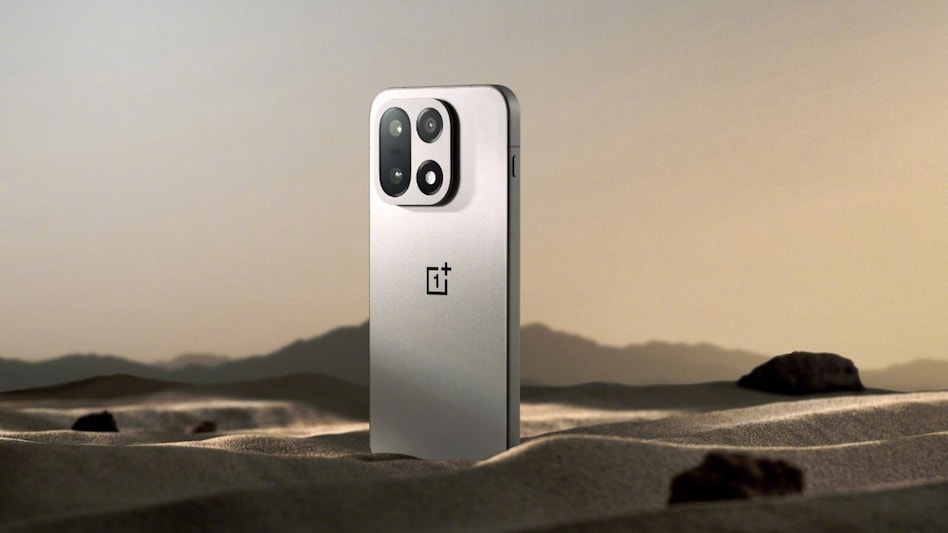
Christopher Nolan Warns: AI Might Be a Modern Trojan Horse
Renowned filmmaker Christopher Nolan, known for his latest adaptation of "The Odyssey," has expressed a cautious view to...
TechCrunch | Jul 19, 2026, 15:15
Silicon Valley on Edge as China's Kimi K3 AI Model Makes Waves
In the tech world, every new release from China seems to spark concern in Silicon Valley, and the introduction of the Ki...
Business Insider | Jul 20, 2026, 04:55TSMC Doubles Down on Arizona Expansion Amid Booming AI Demand
Taiwan Semiconductor Manufacturing Company (TSMC) is ramping up its operations in Arizona, responding to what its Chief ...
CNBC | Jul 19, 2026, 23:15