Anthropic takes on Open AI and Google with new Claude AI features designed for students and developers
Anthropic is set to revolutionize the educational landscape with the introduction of new 'learning modes' for its Claude AI assistant. This enhancement transforms the AI from a simple question-answering tool into an interactive teaching companion. As competition heats up among major tech companies to capture the burgeoning market for AI in education, concerns about the potential for AI to hinder genuine learning have also intensified. Starting today, these features will be available for both the general Claude.ai service and its specialized Claude Code programming tool. Unlike traditional AI models that provide immediate answers, these learning modes focus on guided discovery, encouraging students to engage deeply with the material. An Anthropic spokesperson emphasized the company’s commitment to creating AI that complements human capabilities rather than replacing them, as the industry seeks to balance productivity with educational integrity. This launch coincides with other major players in the AI education sector. OpenAI recently introduced its Study Mode for ChatGPT, while Google announced its Guided Learning feature for the Gemini assistant and pledged $1 billion towards AI education initiatives. The back-to-school season presents a crucial opportunity for these companies to gain traction among students and educational institutions. Valued at around $340 billion globally, the education technology market is becoming increasingly competitive, with AI companies vying for a dominant position. Educational institutions not only represent immediate revenue streams but also the chance to influence how future generations interact with AI tools. The newly introduced learning mode for Claude.ai employs a Socratic method, leading users through complex concepts by asking probing questions instead of providing straightforward answers. Initially launched in April for Claude for Education users, this feature is now accessible to all users through an easy dropdown menu. For software developers, Claude Code has added two innovative learning modes: the 'Explanatory' mode, which narrates coding decisions, and the 'Learning' mode, which prompts developers to engage with their code through collaborative problem-solving moments. This approach seeks to address a growing concern in the tech industry regarding junior programmers who can produce code using AI but struggle with understanding or debugging their work. While the concept of slowing down developers may seem counterproductive, Anthropic argues that this method fosters long-term skill development alongside immediate productivity gains. Their approach aligns with a broader commitment to a human-in-the-loop design philosophy, contrasting with the industry's trend toward fully autonomous AI agents. These new features are powered by modified system prompts instead of fine-tuned models, allowing for rapid iteration based on user feedback. Anthropic has been internally testing these features with engineers of varying expertise and will monitor user impact once the tools are rolled out to a wider audience. As educational institutions like Northeastern University and the London School of Economics partner with Anthropic, the simultaneous launch of features by Anthropic, OpenAI, and Google underscores the urgency to address legitimate concerns about AI’s role in education. Critics have pointed out that while these new study modes represent progress, they do not fully resolve the essential challenge of ensuring users engage deeply with the material. Future enhancements may include improved visualizations for complex topics, goal tracking, and personalized learning experiences, all aimed at further distinguishing Claude from its competitors. As students return to classrooms equipped with advanced AI tools, the effectiveness of these learning modes will ultimately hinge on whether they can foster intellectual curiosity and critical thinking skills that transcend algorithmic capabilities. The pivotal question remains: Can companies like Anthropic ensure that AI enhances rather than diminishes human potential in education?
From Intern to Entrepreneur: My Journey After Nvidia
During my time at the University of Waterloo, I approached the daunting task of securing internships as a numbers game. ...
Business Insider | Jul 10, 2026, 09:10Elon Musk Changes Tune on Anthropic: Acknowledges AI Leadership
In a surprising turn of events, Elon Musk, the CEO of SpaceX, has publicly reversed his previous criticisms of the AI st...
Business Today | Jul 10, 2026, 10:10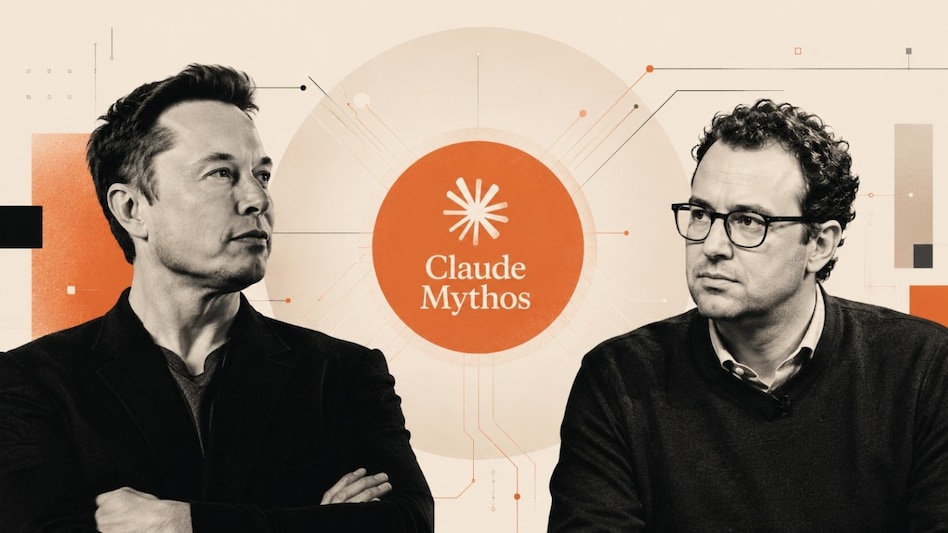
Google Challenges Trademark Ruling in High Court Over AdWords Controversy
In a significant legal move, Google has filed an appeal with the Delhi High Court, contesting a recent ruling that found...
Business Today | Jul 10, 2026, 11:25
TCS CEO Reassures Workforce Amid AI Advancements: Hiring on the Rise
In a recent statement, K Krithivasan, the CEO and Managing Director of Tata Consultancy Services (TCS), addressed growin...
Business Today | Jul 10, 2026, 07:15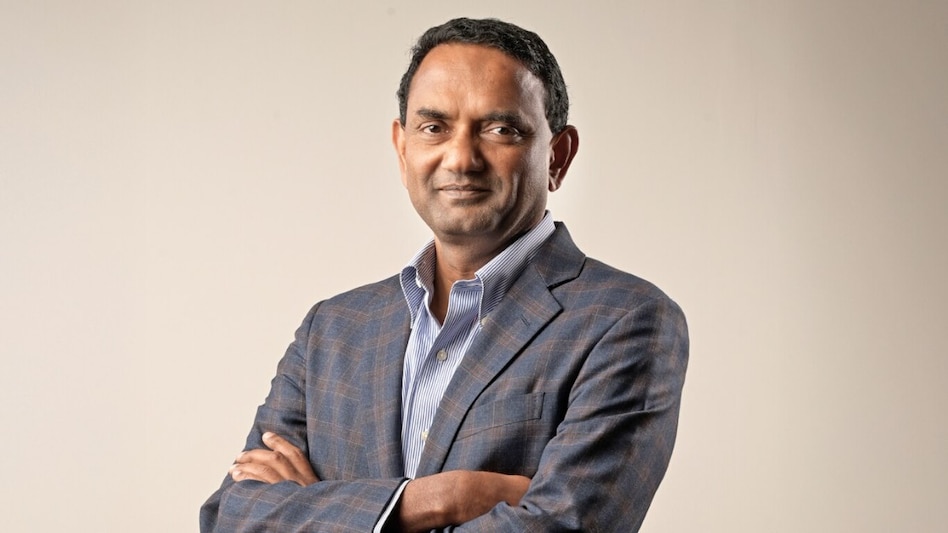
Fidji Simo Transitions to Part-Time Role at OpenAI Following Medical Leave
Fidji Simo, who has been leading AGI Deployment at OpenAI, has announced her shift from a full-time position to a part-t...
Business Today | Jul 10, 2026, 06:35