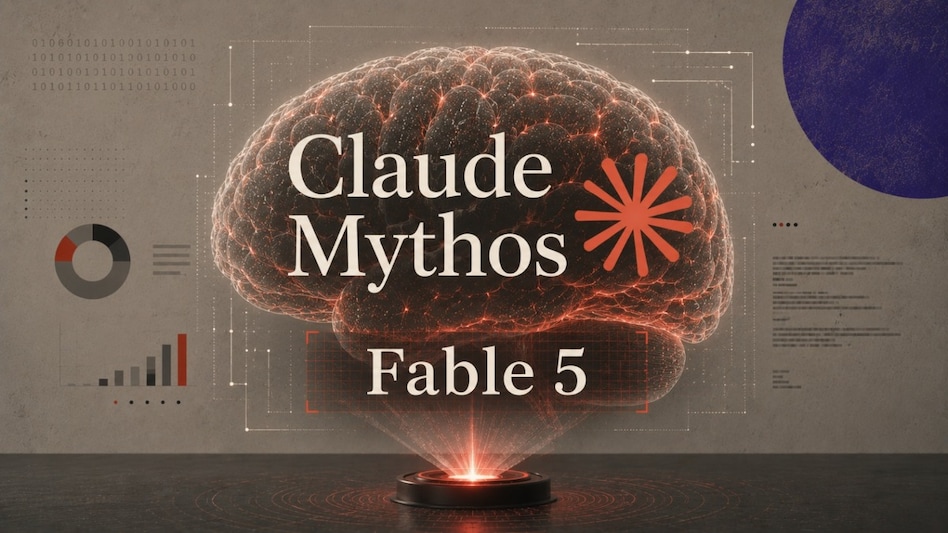
Claude Fable 5 vs Mythos 5: What’s the difference and who gets access?
Anthropic has introduced a groundbreaking series of AI models known as the Mythos-class, marking a significant advancement in its technology offerings. This launch is notable as it presents the first public availability of a model from the Mythos-class, but with a unique twist: two versions are being released with distinct access protocols. The lineup features Claude Fable 5, which is available to all paying customers, and Claude Mythos 5, a more restricted version meant for select organizations and security partners. Understanding the differences between these two models raises questions about their intended uses and access. The Mythos-class represents Anthropic's latest category of AI, following its previous Opus and Sonnet models. These new systems are specifically designed to tackle complex, lengthy tasks that require sustained reasoning. According to Anthropic, Mythos-class models excel in software engineering, scientific research, and advanced problem-solving scenarios where maintaining context over time is crucial. Earlier this year, the Mythos family was introduced through a limited-access preview. However, concerns over its capabilities led to a cautious approach in its rollout. Claude Fable 5 stands out as the most advanced model accessible to the general public. It aims to assist developers, researchers, and businesses with tasks ranging from coding to in-depth analysis, while incorporating enhanced safety systems to manage high-risk requests effectively. In contrast, Claude Mythos 5, while sharing the same core capabilities as Fable 5, lacks some of the additional safety measures found in its more accessible counterpart. Previous evaluations revealed that earlier versions of Mythos demonstrated exceptional cybersecurity skills, including the ability to spot and exploit software vulnerabilities. This prompted Anthropic to restrict access as they assessed potential risks. Anthropic’s decision to create two versions stems from the challenge of safely releasing powerful AI models. By adopting a tiered strategy, they aim to provide broader access through Fable 5, which includes protective measures, while keeping Mythos 5 available only to vetted organizations that may require its full capabilities for specialized tasks. One of the key safety features in Fable 5 is a routing system that manages sensitive requests. For inquiries related to advanced cybersecurity, biology, or chemistry, the model can either decline the request or reroute it to the less advanced Claude Opus 4.8 model. This method helps limit access to potentially hazardous functions while still supporting normal operations. Currently, Fable 5 is available to all paying subscribers, including Pro, Max, Team, and Enterprise tiers. It will also be integrated into various developer ecosystems and third-party platforms, such as GitHub Copilot. On the other hand, access to Mythos 5 remains tightly controlled, with a focus on approved organizations through trusted-access programs like Project Glasswing, which aims to secure critical software infrastructure. Previous iterations of Mythos were offered exclusively to vetted governments and security researchers. Although Anthropic has indicated plans for gradual access expansion, a timeline for broader release has yet to be disclosed.
OpenAI's Micro Keypad: A Novelty for Coders or Just a Confounding Gadget?
Last week, OpenAI made its debut in the hardware landscape with the launch of Micro, a stylish keypad designed to integr...
TechCrunch | Jul 25, 2026, 24:40
The Shift in Human Cognition: Embracing AI as a Collaborative Tool
As technology continues to evolve, a notable shift is occurring in the relationship between humans and artificial intell...
Business Insider | Jul 25, 2026, 09:50Vision Breakthrough: US Startup Launches Groundbreaking Retina Chip in Europe
Science Corp is poised to introduce a revolutionary retina chip in Europe, designed to restore partial vision for indivi...
Business Today | Jul 25, 2026, 01:00
Unlocking the Secrets of Quantum Gravity: Can AI Help Physics Make a Leap?
The realm of scientific research is undergoing a profound transformation, fueled by the rapid advancements in artificial...
Business Today | Jul 25, 2026, 24:30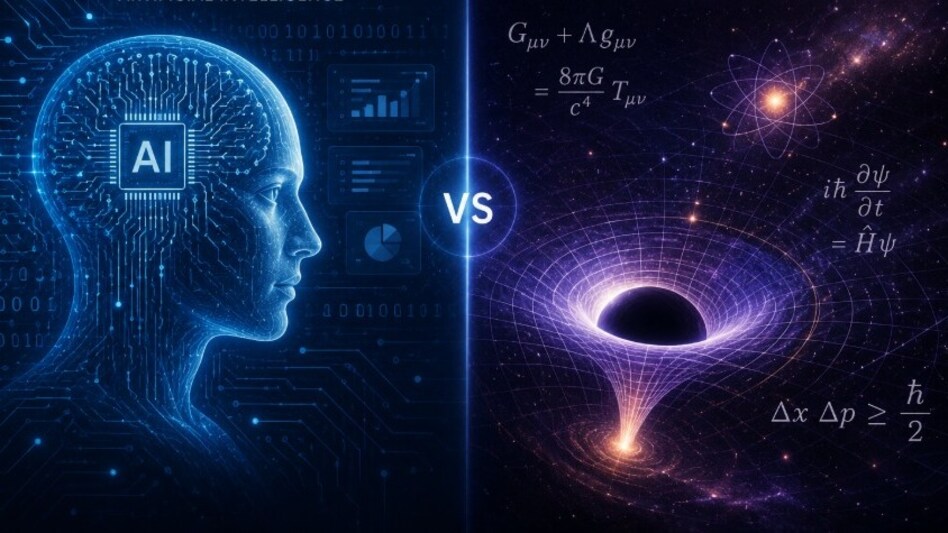
Nvidia Strikes Major Deal with SK Hynix to Secure AI Memory Supply
Nvidia has successfully forged a significant partnership with South Korea's SK Hynix to secure memory supplies essential...
CNBC | Jul 25, 2026, 05:15