
Google rolls out Android 16: Full list of supported devices and features
Google has officially launched Android 16, marking a significant milestone in mobile operating systems. The rollout commenced on Wednesday, starting with supported Pixel devices. This release is notable for being the earliest major Android version launch in recent memory, with a wider rollout to other smartphone brands anticipated in 2025. The latest version showcases a revamped user interface, embracing Google’s Material 3 Expressive design philosophy. Among the standout enhancements are streamlined notifications, improved accessibility features, and fortified security options, along with expanded productivity tools tailored for tablets and foldable devices. A key feature of Android 16 is its capability for real-time live updates from compatible applications. This innovation aims to reduce the need for users to continuously open apps, initially supporting select ride-hailing and food delivery services. Google is partnering with manufacturers such as Samsung, OPPO, and OnePlus to integrate this feature into their notification systems, enhancing user experience with tools like Now Bar and Live Alerts. Moreover, Android 16 introduces an automatic grouping mechanism for notifications from the same app, which is designed to minimize clutter and enhance readability. For users with hearing devices, this update brings significant advancements. It now allows users of LE Audio hearing aids to easily switch from the hearing aid’s microphone to the phone’s microphone during calls, improving clarity in noisy environments. Additionally, users can manage settings like volume directly from their devices, offering a more seamless experience. Security is a top priority in Android 16, with the introduction of Advanced Protection — Google’s most robust mobile security feature. This system aims to protect users from threats such as phishing, harmful apps, unsafe websites, and scam calls. It is designed for both high-risk individuals and everyday users and can be activated easily through device settings. Google has also collaborated closely with Samsung to introduce desktop windowing for Android tablets and foldable devices. This feature allows users to open, move, and resize multiple application windows on a single screen, creating a desktop-like interface. It complements existing single-app and split-screen functionalities and is expected to be available later this year. Looking ahead, additional features will include support for custom keyboard shortcuts and taskbar overflow, which are geared toward enhancing multitasking on larger screens. Android will also begin testing external display connectivity to allow users to expand their workspace as needed. Android 16 is now available for users with Pixel 6 and newer devices, including the Pixel Tablet and Fold models. The software will be distributed via over-the-air (OTA) updates. Pixel users can simply navigate to Settings > System > Software update to install the latest version.
Anthropic's IPO: A New Chapter in the AI Landscape
Anthropic, the AI powerhouse known for its Claude model, has secretly filed for an initial public offering (IPO), igniti...
Business Insider | Jun 02, 2026, 06:55Market Insights: AI Developments, Global Negotiations, and McDonald's Growth Strategy
In a bustling news cycle, investors are greeted with a mix of developments that could shape the trading day ahead. Stock...
CNBC | Jun 02, 2026, 12:25
Blue Origin's Launchpad Recovery Could Stretch to 2028 Following Recent Rocket Incident
NASA Administrator Jared Isaacman revealed on Monday that the recovery of the launchpad damaged by a Blue Origin rocket ...
CNBC | Jun 01, 2026, 23:55
Nvidia's Bold Move: The Future of AI-Powered Personal Computers
Artificial intelligence (AI) is revolutionizing various sectors, and now Nvidia aims to integrate this technology direct...
Business Today | Jun 02, 2026, 05:40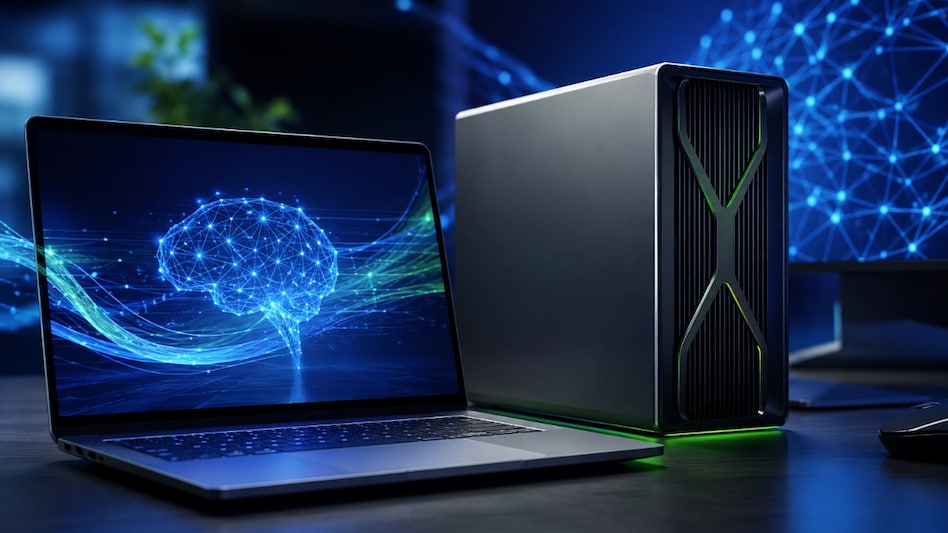
AI Titans Clash: Anthropic vs. OpenAI in the Race to Go Public
In an intense competition for supremacy in artificial intelligence, Anthropic and OpenAI are now shifting their focus to...
Business Insider | Jun 02, 2026, 09:10