He predicted an automation crisis years ago. Now, Andrew Yang says AI may wipe out 40 million jobs over the next decade.
Andrew Yang, who has long warned about the impact of automation on the workforce, now emphasizes that the threat is imminent. In a recent discussion, he predicted that up to 40 million jobs could disappear due to advancements in artificial intelligence over the next ten years. This alarming forecast highlights the reality that AI job losses are no longer just theoretical. During his 2020 presidential campaign, Yang raised concerns that automation technologies, particularly self-driving vehicles, could displace a significant number of workers, including over a million truck drivers. He warned that such disruptions could destabilize society and potentially lead to civil unrest. Now, he reflects on how his predictions have proven increasingly relevant, stating that the situation is "aging very, very well, unfortunately." Recent studies underscore Yang's concerns. Findings from MIT's Iceberg Index reveal that current AI capabilities can already perform tasks representing 11.7% of the US labor market, translating to approximately $1.2 trillion in wages across sectors like finance, healthcare, and professional services. Notably, Amazon's internal documents indicate that the company anticipates automation could prevent the hiring of over 600,000 employees in the coming years, with an aim to automate 75% of its operations through robotics. Companies such as Salesforce, Walmart, HP, IBM, and Fiverr have also linked their recent layoffs to AI developments, emphasizing the pervasive impact of automation. Yang pointed out that 44% of American jobs are either repetitive manual or cognitive roles, making them susceptible to AI and automation. Supporting Yang's views, a 2024 IMF analysis suggested that around 60% of jobs in advanced economies will be influenced by AI, with a split between those benefiting from the technology and those adversely affected. Additionally, a recent report from the McKinsey Global Institute indicated that more than half of US work hours could potentially be automated. While some experts, like AI safety researcher Roman Yampolskiy, have warned of a looming 99% unemployment rate, Yang remains more measured in his outlook. He estimates that if the US loses even half of the jobs at risk, the consequences could be dire, affecting millions of families and communities. In response to this growing crisis, Yang has revived his proposal for a universal basic income of $1,000 monthly for every American adult. He argues that such financial support could help individuals navigate the economic disruptions caused by automation. To finance this initiative, Yang suggests that companies benefiting from AI advancements should contribute, potentially through a "token tax" or "compute tax" levied on AI firms. As the conversation around AI's implications for the workforce intensifies, Yang stresses the importance of financial stability. He believes that without it, many individuals may face not only economic hardship but also a loss of purpose and community, which could lead to further societal issues. "We could be doing much, much more for the millions of Americans who are going to be displaced," Yang concluded.
Why the iPhone 17 is the Smart Choice Ahead of the iPhone 18 Launch
As Apple gears up for the release of its latest iPhone models, including the iPhone 18 Pro and the first foldable varian...
Business Today | Jul 24, 2026, 09:35
AI Guardrails: A Double-Edged Sword for Cybersecurity Researchers
In recent months, leading AI companies have implemented stringent regulations and vetted programs to curb potential misu...
TechCrunch | Jul 24, 2026, 01:15
India Takes Action Against Jack Dorsey's Bitchat App Amid Protests
In a significant move, India's cybercrime agency, the Indian Cyber Crime Coordination Centre (I4C), has mandated GitHub ...
Business Today | Jul 24, 2026, 10:25
AI-Driven Overhaul for Prime Video: Bezos Aims to Transform Your Viewing Experience
In a bold move to enhance user engagement, Jeff Bezos is spearheading a significant redesign of Prime Video, emphasizing...
Business Today | Jul 24, 2026, 10:55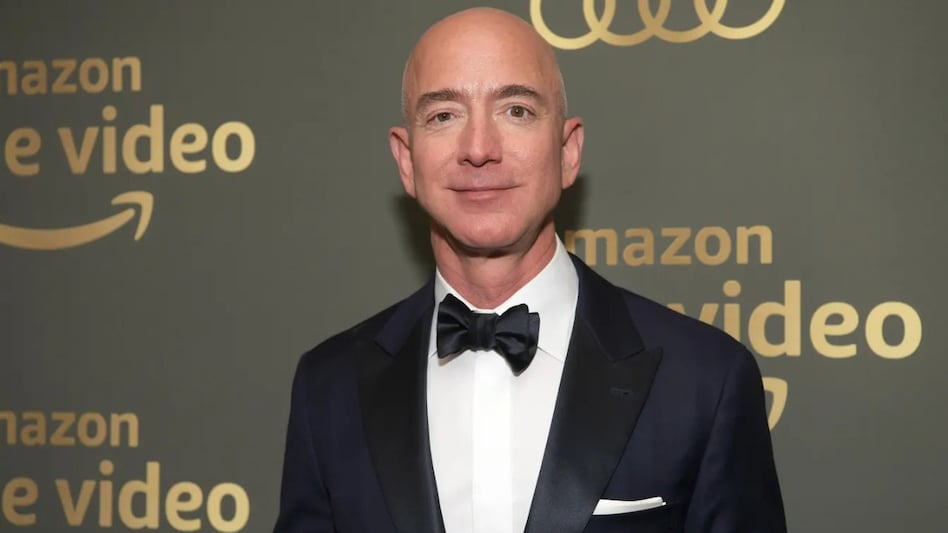
Mobileye's Visionary Leader Transitions as Company Shifts Focus to Robotics and Robotaxis
Amnon Shashua, the founder and CEO of Mobileye, has announced his intention to step down from his leadership role after ...
TechCrunch | Jul 23, 2026, 23:15