Local cuisine was on the menu at Cafe Neanderthal
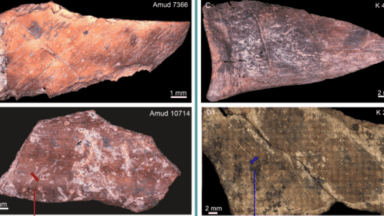
A groundbreaking study has shed light on the distinct culinary practices of two Neanderthal groups that existed around 60,000 years ago in northern Israel. Conducted by archaeologist Anaëlle Jallon and her team from the Hebrew University of Jerusalem, the research involved a detailed examination of numerous animal bones from two archaeological sites, revealing intriguing differences in dietary habits. The study focused on the cut marks left on bones, which serve as evidence of butchering techniques, highlighting the variations in meal preparation. The Neanderthals residing near the Sea of Galilee, between 70,000 and 50,000 years ago, had access to a rich variety of game, including deer, gazelles, wild goats, boar, and even larger animals like aurochs. For these ancient hunters, equipped with wood and stone tools, the environment provided a plentiful food source. However, the findings indicate that these two groups, despite their proximity, exhibited significant differences in their dietary choices. Jallon likens this to the culinary distinctions between two iconic cities, suggesting that while they had access to similar ingredients, they prepared their meals in notably different ways. One group inhabited the Kebara cave on Mount Carmel's western slopes, while the other resided in the Amud cave, perched dramatically above the valley. Although they may not have coexisted, their timelines overlap by approximately 20,000 years, and both groups thrived in the same ecological niche, with similar flora and fauna. The researchers meticulously analyzed the animal remains found at these sites, documenting the types of game hunted and the prevalence of cut marks. The results reveal that Neanderthals living just 70 kilometers apart were not only targeting different prey but also preferred different cuts of meat. Interestingly, one group appeared to favor fresher meat, showcasing a remarkable variety in the lifestyles and eating habits of these ancient peoples.
SK Hynix Shares Surge Amid Broader Asian Tech Recovery
On Wednesday, SK Hynix experienced a remarkable surge, with shares of the South Korean memory chip manufacturer rising o...
CNBC | Jul 15, 2026, 01:05
Europe Embraces Drones as Key to Future Military Strategy
In the wake of Russia's invasion of Ukraine, European nations are undergoing a significant transformation in their milit...
CNBC | Jul 15, 2026, 05:15
Anthropic Leaders Urge Continued AI Investment Amid Rising Costs
As businesses grapple with escalating AI costs, leaders from Anthropic are cautioning against reducing AI utilization. A...
Business Insider | Jul 15, 2026, 09:15Data Breach Strikes India's Kudankulam Nuclear Plant: Sensitive Blueprints Exposed
The Kudankulam Nuclear Power Plant, located in Tamil Nadu, has reportedly fallen victim to a ransomware attack orchestra...
Business Today | Jul 15, 2026, 10:25
Google DeepMind's Demis Hassabis Urges Urgent Action as AGI Approaches
Demis Hassabis, CEO of Google DeepMind, has issued a grave warning about the imminent arrival of artificial general inte...
Business Today | Jul 15, 2026, 07:10