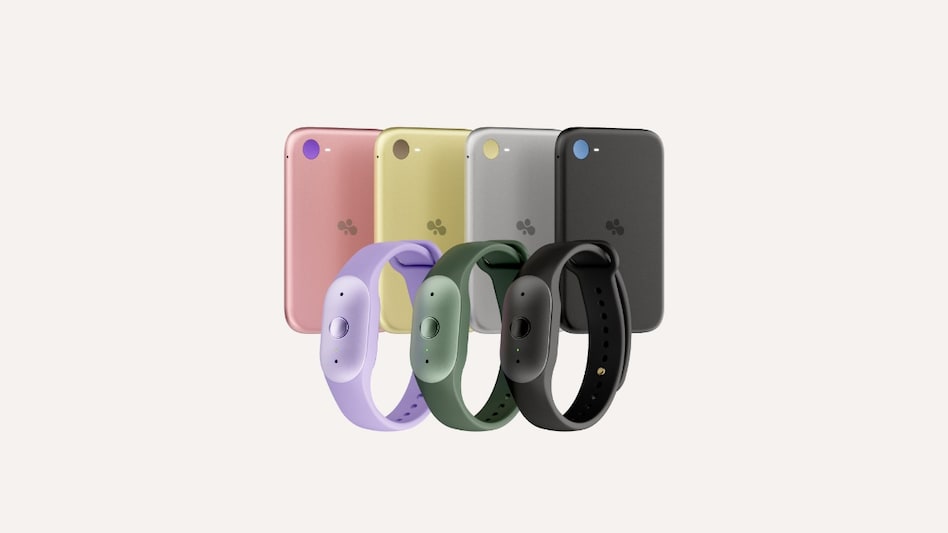
Amazon's two new AI wearables can remember your conversations and remind you what to do next
In an era where forgetting commitments, shopping lists, or plans with friends is all too common, Amazon is stepping up with a groundbreaking solution in the form of two new AI-powered devices. These wearables are designed to capture conversations and seamlessly convert them into helpful summaries and reminders, aiming to enhance personal productivity. The launch of the Bee Frontier wearable and the Bee Eclipse phone attachment marks Amazon's foray into personal AI hardware, as the tech giant seeks to create devices that understand the context of daily life rather than just responding to typed queries. These devices not only integrate with Amazon’s shopping platform but also incorporate Alexa+, prompting a debate about consumer readiness for a more integrated AI experience in their daily routines. The Bee Frontier can be worn as a wristband or clipped to clothing, while the Bee Eclipse is a compact device that attaches magnetically to smartphones. Amazon touts the Frontier’s features, including IP67 water resistance, USB-C charging, and up to seven days of battery life. In contrast, the Eclipse boasts a remarkable battery life of over 21 days on a single charge. Both devices excel at transforming conversations into actionable summaries and to-do lists. Thanks to their integration with Gmail, Google Calendar, and Microsoft Outlook, they can identify follow-up tasks, draft emails, and create calendar invites. Users can access their summaries via a dedicated mobile app and a new desktop application. Furthermore, the devices are designed to work with Alexa+, allowing users to request meeting summaries and reminders, while connected shopping features can suggest products mentioned in conversations. The pricing for these innovative devices starts at $74.99 for the Bee Frontier and $99.99 for the Bee Eclipse, which is listed as coming soon. Additionally, a Bee Pro subscription is available for $11.99 per month, unlocking features such as unlimited summaries and personalized shopping recommendations. As Amazon introduces these advanced AI devices, it prompts a wider discussion about privacy. While the company assures that audio is processed in real time and deleted afterward, with transcripts encrypted and controlled by users, concerns remain. The Bee devices also feature physical controls and indicators to signal when processing is active. Importantly, the Bee Eclipse prompts users to obtain consent from those involved in conversations before recording begins, highlighting the need for awareness regarding consent and local recording laws. This launch illustrates a significant shift towards AI technology that continuously gathers contextual information throughout the day, igniting interest in how such advancements will shape our everyday lives.
Maple Secures $5.3 Million to Revolutionize Data Privacy in AI
As artificial intelligence becomes increasingly capable of accessing sensitive information such as files, emails, and ca...
TechCrunch | Nov 24, 2026, 21:30
Jensen Huang's Remarkable Comeback: A Look at Corporate Resurgences
Jensen Huang has made headlines with his return to the helm of Nvidia on November 23, merely 11 days after stepping down...
Business Today | Nov 24, 2026, 20:15
Yale Expert Warns Nvidia’s Leadership Changes Could Harm U.S. Tech Dominance
On Monday, the market's enthusiasm for Nvidia may have been misguided, according to Yale business scholar Jeffrey Sonnen...
TechCrunch | Nov 25, 2026, 24:35
Jensen Huang Opens Up at Nvidia's All-Hands Meeting: A Journey of Redemption
In a heartfelt address during Nvidia's first all-hands meeting since his reinstatement, founder Jensen Huang shared his ...
TechCrunch | Nov 24, 2026, 22:20
LinkedIn CEO Highlights Gen Z's Potential Edge in AI-Driven Job Market
As the job landscape becomes increasingly challenging for young professionals, LinkedIn's CEO, Daniel Shapero, suggests ...
Business Today | Nov 25, 2026, 24:25