More than a decade after entering India, Amazon is putting boots on the ground to tackle counterfeits.
In a bold move to enhance its fight against counterfeit products, Amazon has recently established a dedicated team in India, marking a significant shift in its operations. This new initiative comes as the e-commerce giant expands its global Counterfeit Crimes Unit (CCU) to the country, setting up a three-member team in New Delhi earlier this year. This team, which includes a senior corporate counsel and two risk managers, aims to collaborate with local authorities such as the Central Bureau of Investigation (CBI) and Indian Customs, as well as various brands, to effectively tackle counterfeiters through both civil and criminal enforcement. This development is particularly noteworthy as Amazon, having been in India for over a decade, now recognizes the nation not only as a vast consumer market but also as an emerging manufacturing and export hub. Kebharu Smith, the Global Director of Amazon’s Counterfeit Crimes Unit, stated, "India is one of the world's marketplaces for commerce and exchange, manufacturing, and global exports. We want to ensure that we are taking the fight to bad actors who are trying to create and fabricate counterfeits here in India." Originally launched globally in June 2020, the CCU has already been active in India through investigations even before the local team's formation. The unit's strategy extends beyond merely removing questionable listings; it has pursued over 32,000 alleged counterfeiters worldwide, leading to more than 290 arrests and subsequent jail sentences. In 2025, Amazon reported identifying, seizing, or disposing of over 15 million counterfeit products globally. Central to Amazon's strategy is the use of artificial intelligence and automated detection systems. The company claims to scan billions of product listings daily, successfully removing over 99% of counterfeit listings before brands even need to file an infringement notice. Additionally, seller verification and product-level authentication play crucial roles, with over 2.7 billion products authenticated and participation from over 80,000 brands. However, Amazon's challenge in India involves navigating a fragmented seller ecosystem that includes numerous small and local businesses, a demographic that the company does not want to negatively impact through enforcement actions. Smith emphasized that the CCU is committed to protecting local, women-owned, and MSME brands, focusing on outreach beyond major cities like Delhi and Mumbai to include Tier-II and Tier-III markets. The shift from merely moderating the marketplace to pursuing criminal enforcement reflects Amazon's recognition that collaboration among law enforcement, brands, and e-commerce platforms is crucial. As the festive shopping season approaches, the effectiveness of this enforcement strategy will be put to the test, especially as transaction volumes rise and consumers may have difficulty distinguishing between legitimate deals and suspiciously low-priced products.
Trump Open to Pardon for Nvidia's Huang Amid Controversies
As Nvidia’s CEO Jensen Huang faces intense scrutiny from Congress regarding alleged ties to China and possible export co...
Business Today | Nov 25, 2026, 02:40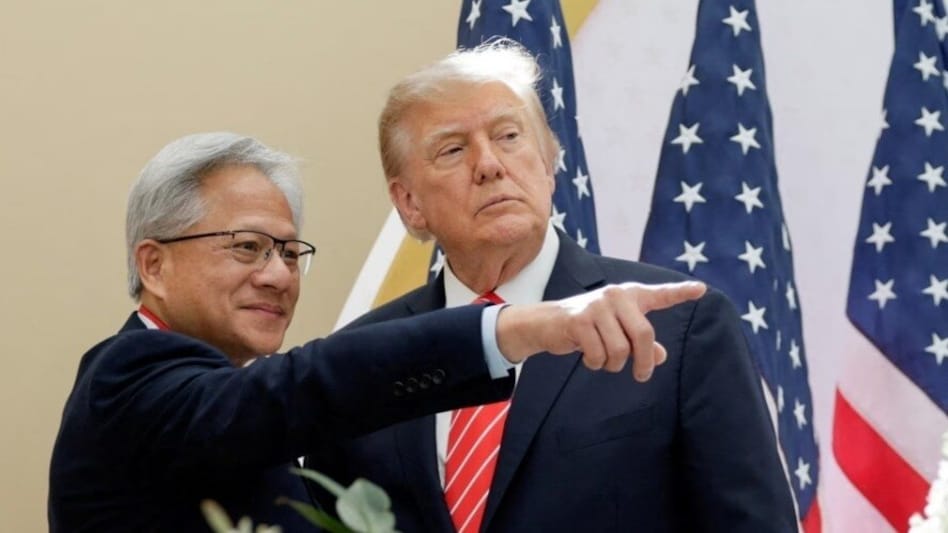
Cybersecurity Alert: Iranian Hackers Target Shipping Vessels in Surge of Attacks
U.S. authorities are investigating a series of cyberattacks on shipping vessels, with suspicions pointing toward Iranian...
TechCrunch | Nov 24, 2026, 21:15
Former OpenAI Engineer Granted Release on Bond Amid Espionage Allegations
Abdulrahman Alfozan, the ex-OpenAI engineer who was terminated and subsequently arrested last month, is poised to be rel...
Business Insider | Nov 24, 2026, 20:40LinkedIn CEO Highlights Gen Z's Potential Edge in AI-Driven Job Market
As the job landscape becomes increasingly challenging for young professionals, LinkedIn's CEO, Daniel Shapero, suggests ...
Business Today | Nov 25, 2026, 24:25
Jensen Huang Shares Personal Journey in First All-Hands Meeting Post-Reinstatement
In a pivotal moment for Nvidia, CEO Jensen Huang addressed employees on Tuesday during his first companywide meeting sin...
Business Insider | Nov 24, 2026, 19:55