
Amazon sellers boycott ads in policy change revolt: 'We're running out of f---ing margin'
Amazon sellers, who represent over 60% of transactions on the platform, are facing unprecedented challenges as they grapple with a combination of rising costs and recent policy changes implemented by the e-commerce giant. The impact of high tariffs and increased energy prices, exacerbated by geopolitical tensions, has already put immense pressure on these merchants. In a significant policy shift, Amazon has altered how it compensates sellers and manages advertising payments. Additionally, a new 3.5% fuel surcharge has been introduced, aimed at offsetting soaring oil prices. Many sellers view these changes as further attempts by Amazon to tighten its grip on their margins. Michael Patrón, a successful Amazon entrepreneur, voiced the frustrations of many when he stated, "We're running out of f---ing margin," highlighting the growing discontent among sellers. In response to these developments, hundreds of sellers have organized a boycott of Amazon's advertising services. The Million Dollar Sellers community, comprising over 700 members generating around $14 billion in revenue, initiated this 24-hour boycott to protest against the recent changes that they believe are threatening their financial stability. Co-founder Eugene Khayman emphasized that this situation has escalated beyond mere irritation to a serious concern about cash extraction from sellers. Amazon has defended its new practices, claiming that they align a small group of sellers with standard methods used by most merchants. The company argues that the fuel surcharge is necessary to recover costs driven by increased oil and logistics prices. However, many sellers are concerned about the potential for raised prices and the impact on their cash flow, especially with the new delays in receiving payments for sales. As of mid-March, sellers must now wait a full week after delivery to access their earnings, a change that has raised alarms about the liquidity of their businesses. The recent policy changes have sparked fears of a cash flow crisis among sellers, with some expressing that they could face difficulties in meeting payroll or paying suppliers. Khayman pointed out that many small businesses rely heavily on cash back from advertising spending, and the removal of this benefit could significantly affect their operations. Earlier this month, Amazon announced it would start automatically deducting advertising costs from seller earnings instead of allowing payments through credit cards. This move, which the company framed as a way to aid cash flow management, has been met with skepticism by sellers who worry about the negative implications. Despite Amazon's assertion that most sellers have been on a seven-day disbursement system since 2016, the delays and new policies have added to the anxiety felt by many. An Amazon seller with over two decades of experience lamented that the delayed payment policy would create severe strain on their already struggling business. As the boycott unfolds, it marks another chapter in the ongoing scrutiny of Amazon’s practices regarding seller fees and revenue sharing. As reported by Marketplace Pulse, Amazon's average cut of each sale exceeded 50% in 2022, raising concerns among sellers and regulators alike. The Federal Trade Commission's antitrust lawsuit against Amazon, which is set for trial in 2027, highlights these issues as part of a larger narrative regarding the company's market dominance. The sentiment among sellers is clear: they feel increasingly like facilitators for Amazon’s profit rather than collaborative partners. As Charles Chakkalo, an Amazon merchant, put it, the recent changes have effectively reduced cash flow for many sellers to nearly zero. He stressed that while Amazon has been a launchpad for many businesses, the evolving relationship feels more exploitative than collaborative, sparking fears about the future viability of selling on the platform.
The Aluminum Foil Trend: A DIY Shield Against Wireless Identity Theft
Have you noticed an unusual trend where people are wrapping their wallets in aluminum foil? This peculiar practice has e...
Business Today | Jul 25, 2026, 02:45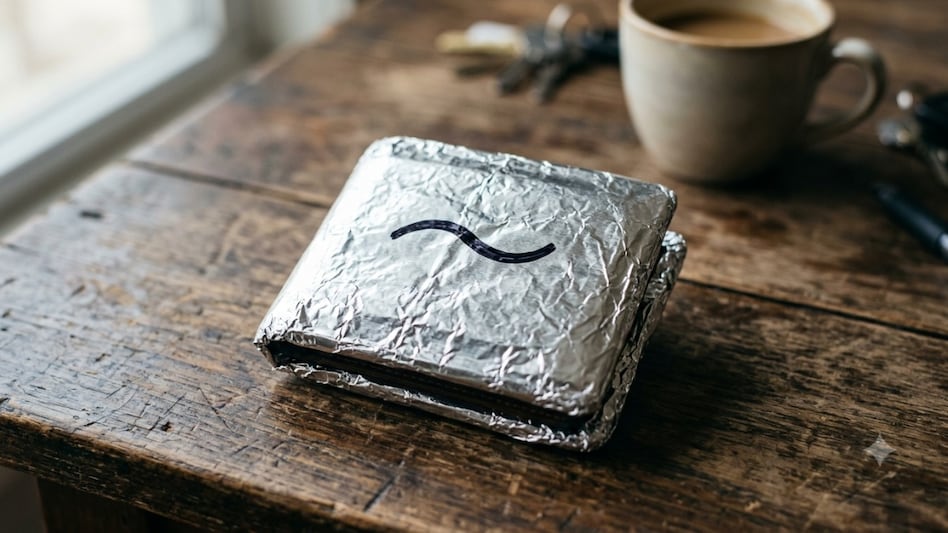
Prentis: Ambitious New AI Lab Eyes $100 Million Funding with Innovative Automation Goals
Prentis, a cutting-edge AI research laboratory co-founded by Ritankar Das, Reid Hoffman, and Marc Pincus, is currently i...
TechCrunch | Jul 24, 2026, 22:45
Moody's Warns of Credit Risks as Tech Giants Ramp Up AI Investments
According to a recent report from Moody's Ratings, the surge in investment towards artificial intelligence infrastructur...
CNBC | Jul 24, 2026, 17:50
Revolutionizing Office Automation: Prentis Aims to Secure $100 Million in Funding
Prentis, a newly established AI research lab, is making waves in the tech industry as it prepares to raise $100 million ...
TechCrunch | Jul 25, 2026, 24:00Waymo Considers Parting Ways with Uber Amid Rising Tensions
Waymo is reportedly exploring options to exit its partnership with Uber, which has allowed the Alphabet-owned firm to de...
TechCrunch | Jul 24, 2026, 21:00