
Amazon asks FCC for extension for Leo satellite internet service
Amazon has formally requested an extension from the Federal Communications Commission (FCC) to meet its ambitious deadline of deploying approximately 1,600 internet satellites by July 2026. The tech giant aims to launch these satellites as part of its newly branded Amazon Leo service, which promises internet connectivity from space. To support this endeavor, Amazon has committed at least $10 billion towards developing the satellite network. The request for more time stems from factors beyond Amazon's control, including a shortage of available rockets and manufacturing disruptions. In a filing released on Friday, the company cited delays caused by the failure and grounding of new launch vehicles and restrictions at spaceports. According to Amazon, Leo is currently producing satellites at a pace that exceeds the launch capabilities of existing rockets. Amazon is seeking a two-year extension, pushing the deadline to July 2028, or alternatively, a waiver from the FCC regarding its requirement to have approximately half of its planned 3,236 low Earth orbit satellites operational. The initiative to create a constellation of low Earth satellites was first announced in 2019, with the goal of delivering high-speed, low-latency internet to individuals, businesses, and governmental entities through square-shaped terminals. To date, the company has secured over 100 launches to deploy its satellites, recently adding 10 launches with SpaceX and a dozen more through Blue Origin, the space venture founded by Amazon’s Jeff Bezos. Despite the progress made by its partners in launching rockets over the past year, Amazon noted that delays in the development timelines of next-generation vehicles have contributed to the setbacks in the deployment of Leo. Since April, Amazon has successfully launched more than 150 satellites and anticipates deploying around 700 by July 30, which would elevate its satellite constellation to the second-largest in orbit. The next mission is scheduled for February 12, when Amazon plans to send another 32 satellites into space aboard a rocket from Arianespace, a French aerospace company. Competing with Amazon Leo is SpaceX's Starlink, which boasts over 9,000 satellites and approximately 9 million subscribers. Another competitor, OneWeb, managed by France's Eutelsat, has a constellation of more than 600 satellites. In November, Amazon initiated an 'enterprise preview' of Leo for select users ahead of its broader commercial launch. Should the FCC deny the extension, Amazon argues that it would undermine the agency's objectives of expanding spectrum access and facilitating swift deployment. The company highlighted that similar extensions have been granted in the past. "Amazon Leo is making significant strides toward deployment and is poised to offer U.S. customers a competitive and innovative service," the company stated, emphasizing that an extension would support ongoing rapid deployment efforts.
Finland Unveils World's Largest Sand Battery to Tackle Renewable Energy Challenges
In a groundbreaking move to address the critical issue of renewable energy intermittency, a small town in southern Finla...
CNBC | Jul 25, 2026, 05:35
Elon Musk Faces Major Setbacks as Tesla and SpaceX See Significant Stock Declines
It has been a challenging week for Elon Musk, as both Tesla and SpaceX experienced substantial stock declines. Tesla sha...
CNBC | Jul 24, 2026, 20:40
Nvidia Strikes Major Deal with SK Hynix to Secure AI Memory Supply
Nvidia has successfully forged a significant partnership with South Korea's SK Hynix to secure memory supplies essential...
CNBC | Jul 25, 2026, 05:15
The Aluminum Foil Trend: A DIY Shield Against Wireless Identity Theft
Have you noticed an unusual trend where people are wrapping their wallets in aluminum foil? This peculiar practice has e...
Business Today | Jul 25, 2026, 02:45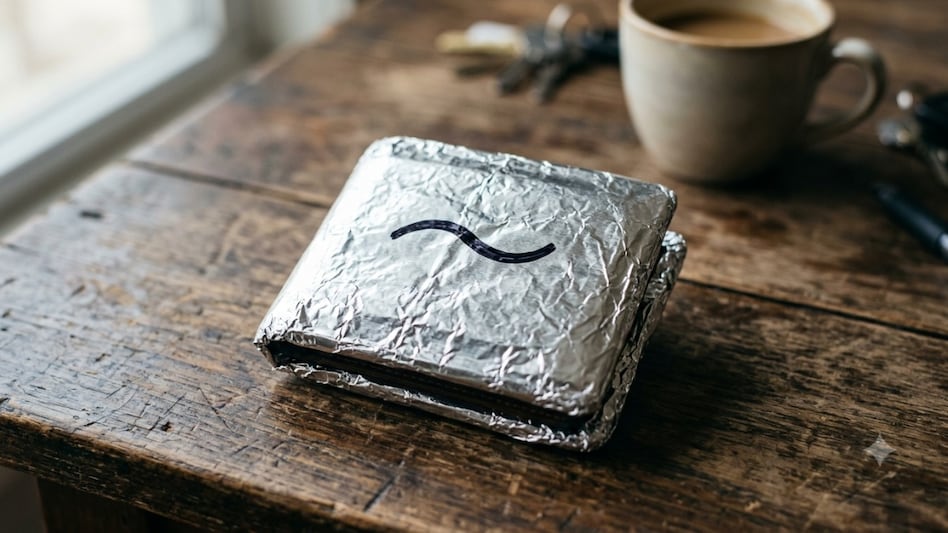
Vietnam's Controversial Social Media Proposal: A New Approach for Youth Engagement
Vietnam is contemplating a distinctive approach to youth social media regulations, diverging from the more common outrig...
TechCrunch | Jul 24, 2026, 21:25