Altara secures $7M to bridge the data gap that’s slowing down physical sciences
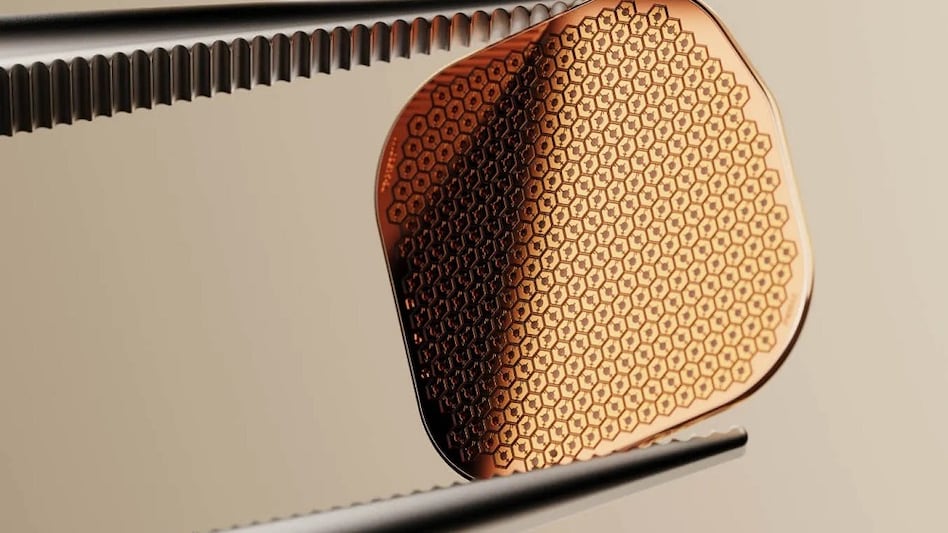
A significant challenge in the fields of batteries, semiconductors, and medical devices is the overwhelming amount of data generated, which often becomes fragmented across spreadsheets and outdated systems. San Francisco-based startup Altara has recently raised $7 million in seed funding to address this issue. The company aims to integrate this scattered technical information into a cohesive platform through a specialized AI layer. The funding round was led by Greylock, with contributions from Neo, BoxGroup, Liquid 2 Ventures, and Jeff Dean. Founded in 2025 by Eva Tuecke, a former particle physics researcher at Fermilab and SpaceX employee, along with Catherine Yeo, an ex-AI engineer at Warp, Altara's roots trace back to their days studying computer science at Harvard University. Yeo highlighted the complexities faced by companies developing next-generation batteries, noting that when a battery fails during testing, engineers often embark on a lengthy “scavenger hunt” across various data sources, which can take weeks or even months to piece together information. Altara claims that its AI technology can dramatically reduce this time, turning what used to be a manual, exhaustive process into a matter of minutes. Corinne Riley, a partner at Greylock, likened Altara's role in physical sciences to that of site reliability engineers (SREs) in the software industry. Just as SREs investigate system failures by analyzing observability stacks, Altara intends to pinpoint the exact causes of hardware failures, whether in batteries or semiconductor wafers. Altara is not alone in its mission; other startups like Periodic Labs and Radical AI are also exploring the intersection of AI and scientific research. However, Altara's approach is distinctively less capital-intensive, aiming not to replace established research firms but to enhance their existing data systems with an intelligence layer. Riley believes that AI in physical sciences represents the "next big frontier," anticipating a surge of innovation in this sector.
Waymo to Launch Standalone App, Ending Exclusivity with Uber in Major Cities
For the past three years, Uber and Waymo, the autonomous vehicle division of Alphabet, have collaborated to provide driv...
CNBC | Jul 24, 2026, 21:55
Elon Musk Faces Major Setbacks as Tesla and SpaceX See Significant Stock Declines
It has been a challenging week for Elon Musk, as both Tesla and SpaceX experienced substantial stock declines. Tesla sha...
CNBC | Jul 24, 2026, 20:40
Prentis: Ambitious New AI Lab Eyes $100 Million Funding with Innovative Automation Goals
Prentis, a cutting-edge AI research laboratory co-founded by Ritankar Das, Reid Hoffman, and Marc Pincus, is currently i...
TechCrunch | Jul 24, 2026, 22:45
The Aluminum Foil Trend: A DIY Shield Against Wireless Identity Theft
Have you noticed an unusual trend where people are wrapping their wallets in aluminum foil? This peculiar practice has e...
Business Today | Jul 25, 2026, 02:45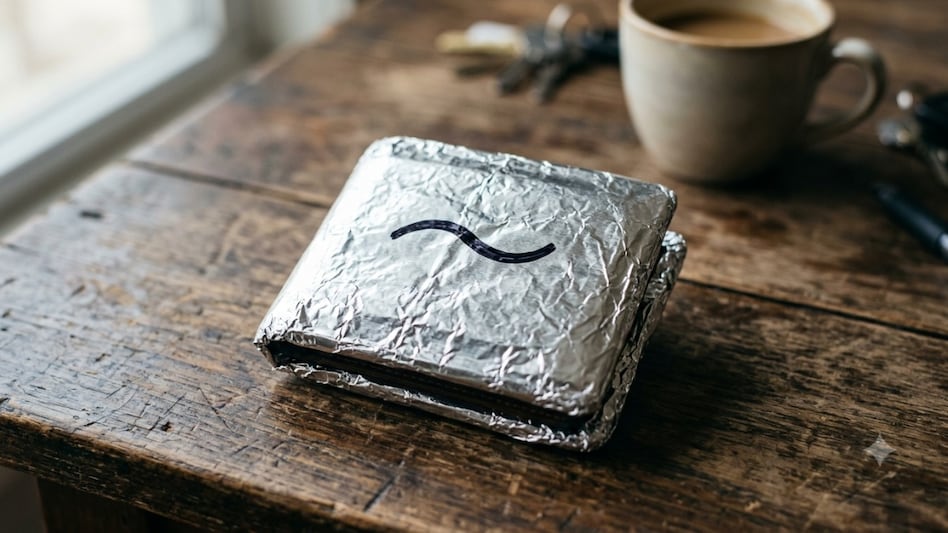
Vision Breakthrough: US Startup Launches Groundbreaking Retina Chip in Europe
Science Corp is poised to introduce a revolutionary retina chip in Europe, designed to restore partial vision for indivi...
Business Today | Jul 25, 2026, 01:00