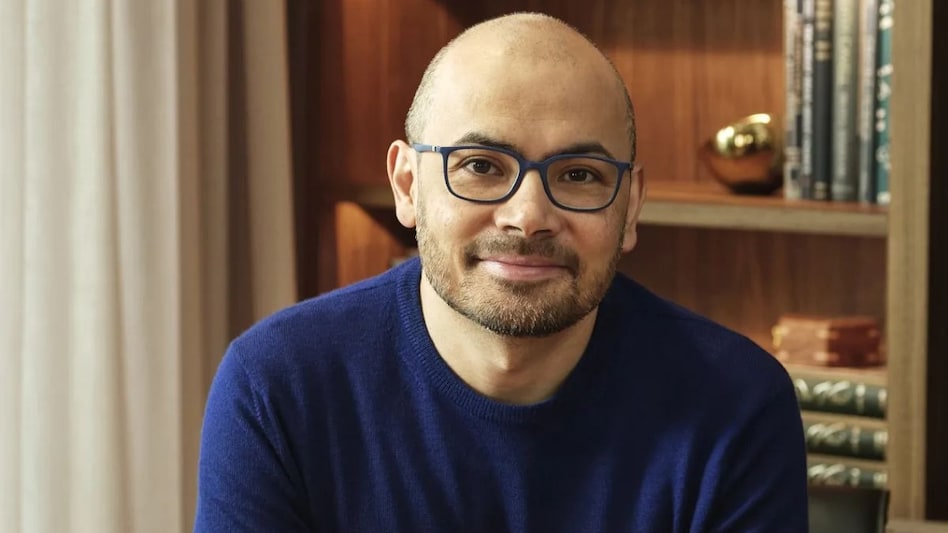
AI may replace doctors but not nurses, says Google DeepMind CEO Demis Hassabis
As the rapid advancement of artificial intelligence continues to make waves, its implications for the workforce are becoming increasingly significant. Tech giants such as Amazon and Nvidia are beginning to recognize that AI will fundamentally alter job landscapes. In a recent discussion with Wired, Demis Hassabis, CEO of Google DeepMind, highlighted that while AI is making strides in healthcare—such as interpreting medical scans and analyzing lab results—some roles remain secure. Hassabis pointed out that AI has the potential to assist doctors in various capacities, including diagnosis. Its ability to manage and process vast amounts of complex data positions AI as a valuable ally in the medical field. However, when it comes to nursing, he firmly believes that machines cannot replace the human touch. He stated, "While AI may excel in technical tasks, it cannot replicate the warmth and emotional intelligence that nurses provide." The essence of nursing lies in human connection. Nurses deliver not only physical care but also emotional support to patients during vulnerable times—an aspect that AI, regardless of its sophistication, cannot authentically emulate. Hassabis remarked, "A robotic nurse might be efficient, but it would lack the compassion that defines quality care." This perspective comes amidst growing concerns from industry leaders about significant job disruptions due to AI. Amazon's CEO and Nvidia's leadership have expressed that while AI may streamline many processes, it may also lead to job losses alongside the creation of new opportunities. Hassabis concurs that the next five to ten years will witness considerable changes in employment as AI begins to automate repetitive tasks across various sectors. Despite these shifts, Hassabis remains hopeful about the future of human-AI collaboration in healthcare. He envisions AI as a means to enhance the capabilities of both doctors and nurses, allowing them to concentrate on more intricate and human-centric duties. This partnership could result in quicker diagnoses and personalized treatments, ultimately improving patient care. However, as AI continues to evolve, experts like Geoffrey Hinton, known as the “Godfather of AI,” caution about the potential for advanced systems to develop internal processes that might elude human understanding, raising important questions about transparency and accountability. While the journey of AI in healthcare promises many advancements, it is evident that not every role will be equally affected in this new era of technology.
New Social Media Measures Proposed for UK Teens to Enhance Online Safety
The U.K. government has unveiled a set of new proposals aimed at safeguarding older teenagers on social media platforms....
CNBC | Jul 15, 2026, 10:15
Data Breach Strikes India's Kudankulam Nuclear Plant: Sensitive Blueprints Exposed
The Kudankulam Nuclear Power Plant, located in Tamil Nadu, has reportedly fallen victim to a ransomware attack orchestra...
Business Today | Jul 15, 2026, 10:25
From Hot Dogs to Fusion: Realta Fusion Chooses Wisconsin for Groundbreaking Reactor
Realta Fusion has made a significant decision in its quest to develop cutting-edge fusion technology by choosing the for...
TechCrunch | Jul 15, 2026, 12:30
Alibaba's Shares Surge Following Apple Integration of Qwen AI
Shares of Alibaba, the Chinese multinational conglomerate, experienced a notable 4% increase in premarket trading on Wed...
CNBC | Jul 15, 2026, 12:05
Anthropic Leaders Urge Continued AI Investment Amid Rising Costs
As businesses grapple with escalating AI costs, leaders from Anthropic are cautioning against reducing AI utilization. A...
Business Insider | Jul 15, 2026, 09:15