
From ‘AI Slop’ to substance: Satya Nadella says 2026 will be a pivotal point for artificial intelligence
In a landscape previously dominated by discussions surrounding the quality and authenticity of AI-generated content, Microsoft CEO Satya Nadella believes a pivotal shift is on the horizon. He argues that the focus of artificial intelligence must transition from mere aesthetics to tangible utility. Through a new blog series called "sn scratchpad," Nadella shares his vision for AI's future, emphasizing that the next phase will be about delivering meaningful outcomes rather than showcasing impressive technology. Nadella's insights come at a critical time, especially following Merriam-Webster's selection of "slop" as the word of the year for 2025, highlighting the growing discontent with low-quality AI content flooding the internet. This term has come to symbolize the frustration towards AI-generated material that lacks originality and substance. While acknowledging this pervasive fatigue, Nadella warns that the industry risks stagnation if it continues to dwell on these superficial debates. He believes the real challenge lies in determining whether AI can offer consistent, substantial results in practical applications. Looking ahead, Nadella describes 2026 as a crucial year for AI, though he admits that similar predictions have been made in the past. He feels that the current climate is uniquely different, as the industry transitions from experimentation to widespread implementation. AI technologies are increasingly being integrated into everyday workflows, products, and decision-making processes. This evolution is prompting a clearer differentiation between attention-grabbing features and genuinely impactful solutions. Central to Nadella’s vision is an updated interpretation of Steve Jobs’ analogy of computers as "bicycles for the mind." He posits that AI should not be viewed as a replacement for human intelligence but rather as a tool to enhance human capabilities. Nadella advocates for developing AI as a support system for human potential, focusing on how these technologies can be effectively utilized to meet goals rather than merely showcasing their computational power. Reflecting this philosophy, Microsoft is adapting its approach. While the company continues to invest heavily in advanced AI models for products like Copilot, Nadella underscores that mere models are insufficient. The future, he asserts, lies in creating integrated systems—AI agents that seamlessly operate across various tools and contexts, fundamentally altering how people engage in their work. Additionally, he emphasizes the importance of considering the broader impacts of these systems, including resource allocation in terms of computing power and talent. According to Nadella, addressing these challenges is not only technical but also requires a collaborative effort across the industry to determine optimal applications of AI for maximum societal benefit.
AI Guardrails: A Double-Edged Sword for Cybersecurity Researchers
In recent months, leading AI companies have implemented stringent regulations and vetted programs to curb potential misu...
TechCrunch | Jul 24, 2026, 01:15
Ashneer Grover Unveils Innovative Loan Guarantee Platform for Employees
Ashneer Grover, the former MD and co-founder of BharatPe, has made waves with the announcement of his new fintech initia...
Business Today | Jul 24, 2026, 05:55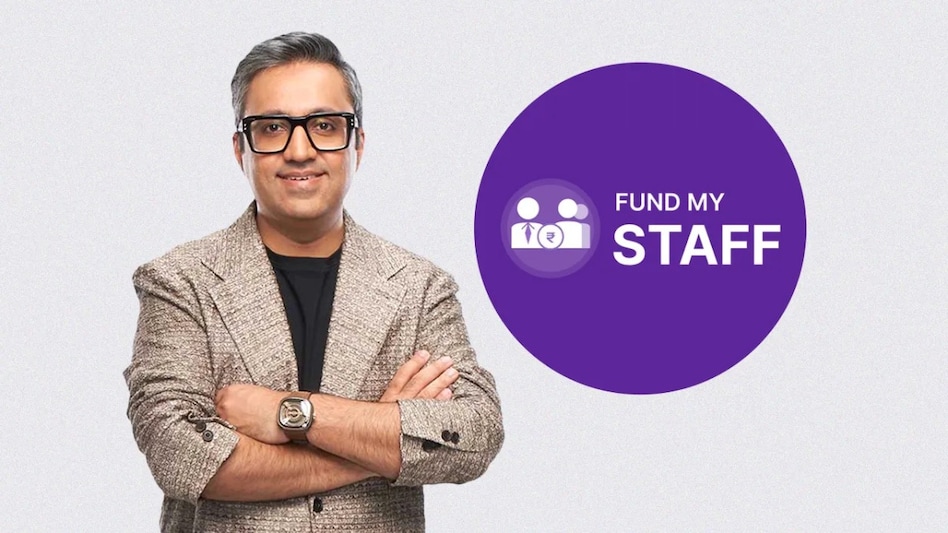
Corgi Insurance Secures Additional Funding, Boosting Valuation to $4 Billion
Corgi, a startup specializing in insurance technology and data services, is reportedly closing yet another funding round...
TechCrunch | Jul 23, 2026, 20:40
AMD Unveils Helios: A Game-Changer in AI Computing Power
In a bold move to challenge Nvidia's supremacy, AMD has introduced its latest innovation: the Helios AI rack-scale syste...
TechCrunch | Jul 23, 2026, 20:40
Elon Musk Reflects on the Unexpected Acceleration of AI Development
Elon Musk has expressed that his initial efforts to curb the concentration of artificial intelligence power may have ina...
Business Insider | Jul 24, 2026, 04:15