Apollo's chief economist says he sees 'zero evidence' of AI-related job losses, even as CEOs cite the tech in layoffs
Concerns surrounding the impact of artificial intelligence (AI) on job security have been met with some optimism from industry experts. Torsten Sløk, chief economist at Apollo Global Management, recently stated that there is no substantial evidence suggesting that AI is leading to job losses. In a blog post published on Friday, he pointed to findings from the ADP National Employment Report, highlighting that companies are increasingly seeking individuals with AI expertise. Sløk noted that many businesses are hiring specialists to implement AI solutions, resulting in rising salaries for these professionals and heightened demand for semiconductors and related equipment. "The bottom line is that the AI spending boom is stoking both employment and inflation," he remarked. This perspective aligns with his earlier assertion that advancements in AI are likely to boost productivity and create more jobs rather than diminish them. The latest ADP report indicates that nearly 110,000 new positions were added to private payrolls in April, suggesting a robust job market. Despite widespread anxiety about AI's potential to displace workers, some industry leaders, including Box CEO Aaron Levie and Dell CEO Michael Dell, have echoed Sløk's sentiments in recent social media posts. Additionally, Goldman Sachs CEO David Solomon has voiced similar opinions in a New York Times opinion piece. However, this optimistic outlook contrasts sharply with the realities faced by numerous companies. Several major corporations have cited AI as a factor in their decision to reduce staff. For instance, Block CEO Jack Dorsey announced plans to cut the workforce significantly, attributing this shift to the integration of intelligent tools and the restructuring of company operations. Other companies like Cisco, Atlassian, and IBM have also mentioned AI as a reason for layoffs. Nvidia's CEO Jensen Huang criticized the tendency of some leaders to link AI to job losses, labeling it a lazy narrative. OpenAI's CEO Sam Altman referred to the practice as "AI washing"—a term for using AI as a scapegoat for workforce reductions. In his analysis, Sløk described the current employment dynamics as an example of the "Jevons paradox," which suggests that increased efficiency from new technology can lead to greater demand for labor. He concluded, "Cheaper technology is creating more demand and more jobs."
Crisis Averted: Power Line Failure Highlights Urgent Need for Data Center Resilience
A power line failure near Washington, DC, recently showcased a significant challenge faced by the electrical grid due to...
TechCrunch | Jul 25, 2026, 13:50
SpaceX's Latest Starlink Launch Marks Milestone Amid Booster Setbacks
On Friday, SpaceX marked a significant achievement by successfully launching its first batch of third-generation Starlin...
TechCrunch | Jul 24, 2026, 23:40
Vietnam's Controversial Social Media Proposal: A New Approach for Youth Engagement
Vietnam is contemplating a distinctive approach to youth social media regulations, diverging from the more common outrig...
TechCrunch | Jul 24, 2026, 21:25
Unlocking the Secrets of Quantum Gravity: Can AI Help Physics Make a Leap?
The realm of scientific research is undergoing a profound transformation, fueled by the rapid advancements in artificial...
Business Today | Jul 25, 2026, 24:30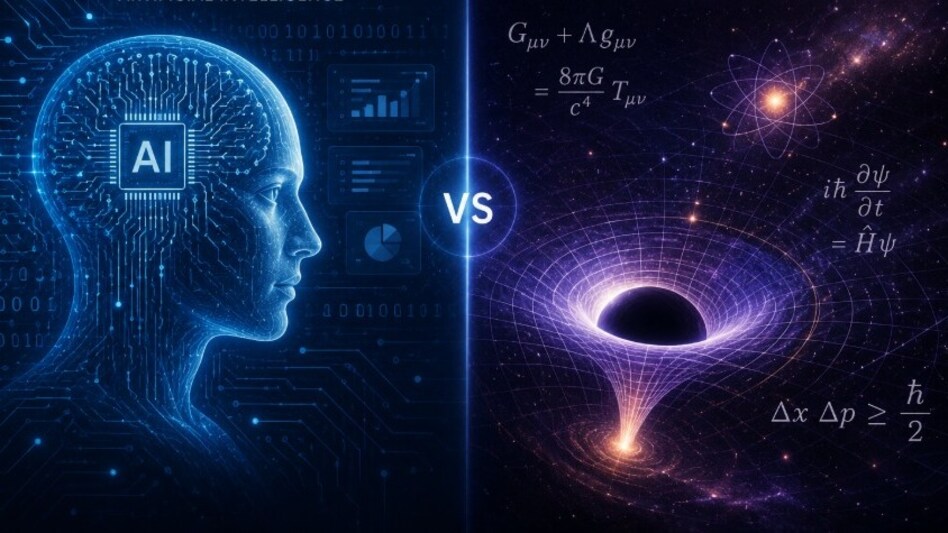
Shifting Focus: The Cost-Effectiveness of AI Models Takes Center Stage
In recent years, the AI sector has been intensely focused on identifying the most advanced models. While this pursuit re...
Business Insider | Jul 25, 2026, 13:10