Bill Gates-backed AirLoom begins building its first power plant
AirLoom Energy, a startup backed by Bill Gates, is making strides in the renewable energy sector by launching its first pilot power plant. Amid challenges such as fluctuating costs and regulatory pressures, particularly from the Trump administration, the company is optimistic about its unique approach to wind energy. Neal Rickner, the CEO of AirLoom, acknowledges the obstacles facing the wind power industry but remains confident in his company's disruptive technology. "We have a lot of headwinds," Rickner stated. "However, our system's innovative design could position us for success if we can navigate through the next five years." AirLoom's technology departs from conventional wind turbine designs, which typically feature large blades resembling futuristic pinwheels. Instead, the company utilizes an array of shorter blades attached to a cable that moves along an adjustable oval track. This innovative structure stands at approximately 60 feet tall, significantly lower than traditional turbines. The pilot plant, now under construction near Laramie, Wyoming, is set to generate around 150 kilowatts of electricity. Notably, the components being used are identical to those that will be found in larger megawatt-scale installations. The pilot's track will mimic the dimensions of a high school running track, while future systems will extend up to 500 meters in length. Rickner has indicated that the area between the tracks could also host solar panels or support traditional farming, as the design allows agricultural machinery to operate beneath the blades. Looking ahead, AirLoom aims to deploy its first commercial-scale system by 2027 or 2028—slightly later than initially projected. Targeting both military installations and data centers as potential customers, AirLoom is responding to a growing demand from developers struggling to secure wind turbines in the near term. Rickner's background as a former U.S. Marine Corps pilot has influenced the company's focus on military applications, but recent discussions with data center developers indicate a broader interest in their innovative wind solution. "What we’re showcasing is our capability to deliver a viable system by 2027 or 2028, which has captured the attention of several developers struggling with timelines," Rickner added. He believes that by 2030, AirLoom could be on its third iteration of the technology, further solidifying its position in the renewable energy market.
Google Unveils Ambitious $15 Billion AI Hub in Visakhapatnam to Transform India's Digital Landscape
In a groundbreaking move, Google is establishing a $15 billion AI hub in Visakhapatnam, envisioned as a cornerstone of I...
Business Today | Apr 28, 2026, 05:40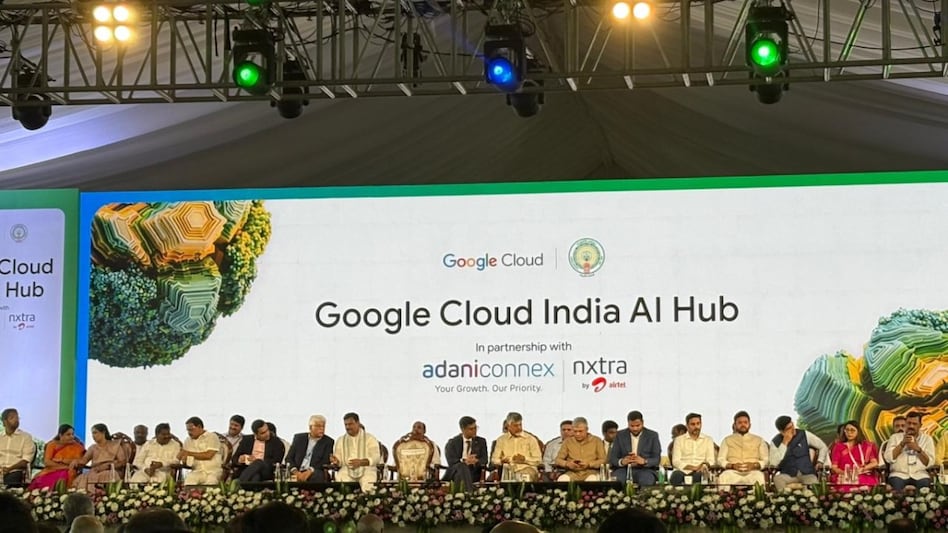
Amazon Unveils Strategic Framework for AI Integration in Engineering
Amazon is intensifying its commitment to embedding artificial intelligence into its engineering practices. The retail gi...
Business Insider | Apr 28, 2026, 09:10Snabbit Secures $56 Million Funding Amid Surge in On-Demand Home Services Demand
Indian startup Snabbit, specializing in on-demand home services, has successfully closed a funding round worth $56 milli...
TechCrunch | Apr 28, 2026, 03:55
Google Wallet Now Supports Aadhaar for Seamless Digital Identity in India
In a significant move to enhance digital identity options in India, Google has announced that users can now securely sto...
Business Today | Apr 28, 2026, 10:05
Elon Musk Intensifies Legal Battle Against OpenAI: A Clash of Titans
The legal showdown between Elon Musk and Sam Altman escalated dramatically on April 27, marking the beginning of a high-...
Business Today | Apr 28, 2026, 09:00