Then vs. now: AI videos of Will Smith eating spaghetti show just how advanced the tech has gotten
The landscape of AI-generated videos has undergone a remarkable transformation over the past couple of years. Once a source of amusement and cringe, recent advancements have led to stunningly lifelike representations of beloved figures, such as Will Smith. It all started in early 2023 when a Reddit user showcased a video of the Academy Award-winning actor awkwardly eating spaghetti, created using ModelScope, a text-to-video AI model. The results were far from impressive; Smith appeared as a poorly animated caricature, failing even the simplest requirement of the task. Viewers were subjected to oddities like the character having eight fingers, highlighting the primitive state of AI technology at that time. Fast-forward to February 2024, and Smith himself humorously referenced this early attempt in a TikTok video, mimicking the absurdity of the original clip. Since then, the technology has seen significant improvements. In 2024, MiniMax, a Chinese AI model, produced a more accurate video of Smith, though it still featured some glitches, such as noodles that seemed to float in midair. In May, a user took a shot at generating another rendition using Google's Veo 3, but encountered quirky sound effects where the noodles audibly crunched. However, the subsequent version, Veo 3.1, marked a leap in realism, offering a clearer image of Smith that resonated more with viewers. Among the contenders in the AI video space, OpenAI's Sora stands out as the leading generator, especially after the launch of its updated Sora 2 version. Yet, the technology's rapid evolution prompted OpenAI to implement additional guidelines to safeguard against misuse of likeness and copyright infringement, especially following controversies involving iconic figures like SpongeBob and Martin Luther King Jr. In a competitive race, Google and Elon Musk's xAI are striving to catch up. xAI introduced Grok Imagine in July, a text-to-video generator that now faces the challenge of passing the spaghetti test amid heightened scrutiny from rights holders in Hollywood. Just before the release of Sora 2, major studios like Disney and Warner Bros. filed lawsuits against MiniMax, while Cameo took action against OpenAI for its use of the term "cameos" within its app. The added capability of users uploading facial scans to enhance video quality has drawn further legal attention, leading to a temporary injunction against OpenAI’s use of the term. Despite the controversies surrounding AI video, the technology is still being embraced. Coca-Cola recently revealed that it utilized AI for its holiday advertisement, effectively combining the power of Sora, Veo 3, and Luma AI to captivate audiences in a new way.
The Shift in Human Cognition: Embracing AI as a Collaborative Tool
As technology continues to evolve, a notable shift is occurring in the relationship between humans and artificial intell...
Business Insider | Jul 25, 2026, 09:50The Rise of AI Distillation: A Controversial Technique Sparks Debate in Tech and Government
In recent discussions, a once-obscure topic in artificial intelligence has surged to the forefront of debates among tech...
CNBC | Jul 25, 2026, 12:15
SpaceX Successfully Tests Starship Rocket, Launching New Era of Space Exploration
On Friday evening, SpaceX executed a significant milestone by launching its colossal Starship rocket from its facility i...
CNBC | Jul 25, 2026, 24:10
The Aluminum Foil Trend: A DIY Shield Against Wireless Identity Theft
Have you noticed an unusual trend where people are wrapping their wallets in aluminum foil? This peculiar practice has e...
Business Today | Jul 25, 2026, 02:45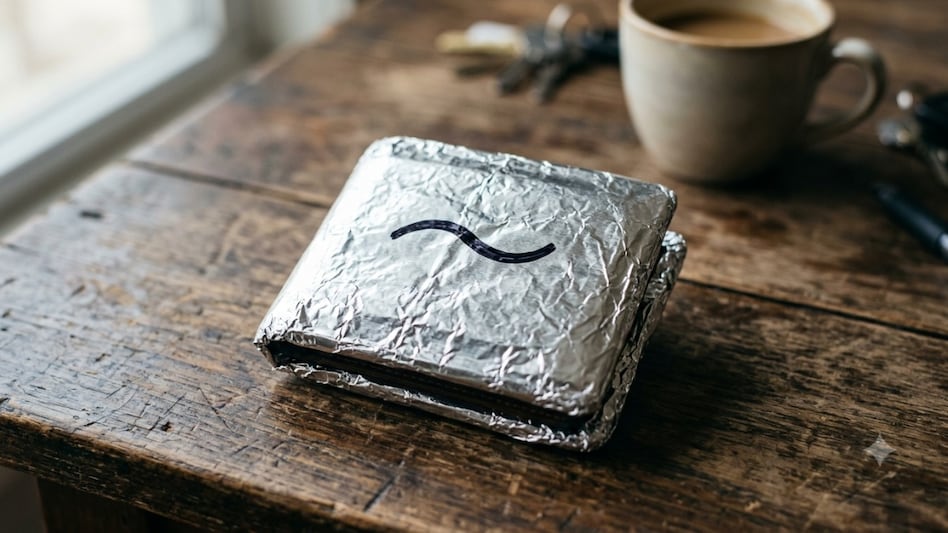
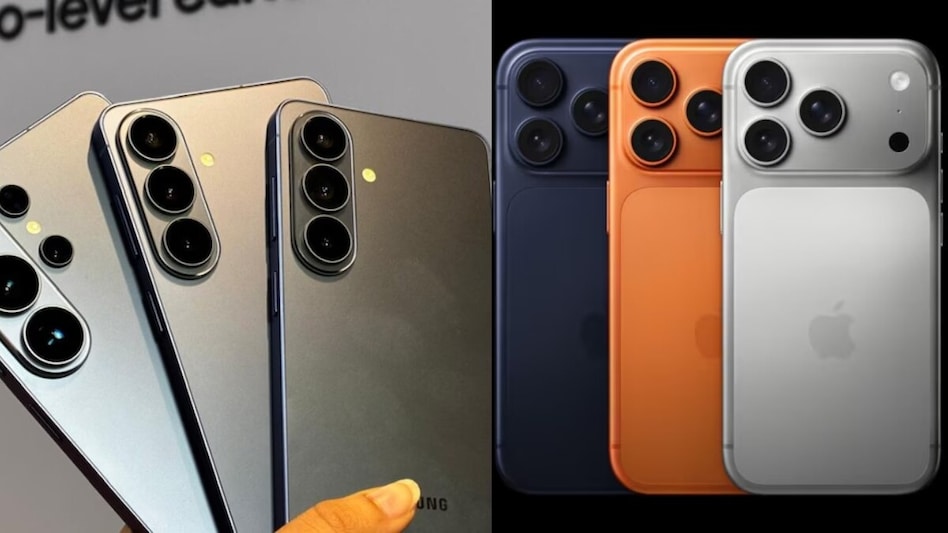
Unleashing the Power of AI: The 5 Smartphones Redefining Mobile Photography
Artificial Intelligence (AI) is transforming our daily experiences, permeating various aspects of technology, including ...
Business Today | Jul 26, 2026, 07:05