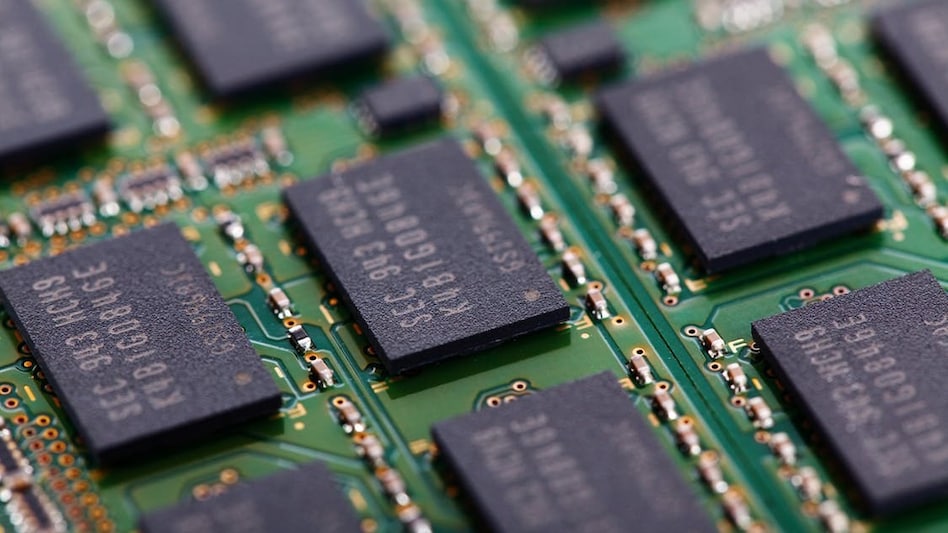
RAMageddon? AI demand triggers RAM squeeze, threatening 16GB phones and forcing tough choices for OEMs
The smartphone industry is on the brink of a major transformation due to a critical shortage of RAM, largely fueled by skyrocketing demand from the Artificial Intelligence (AI) sector. Experts predict that the days of 16GB RAM smartphones may be numbered, with some manufacturers considering a return to 4GB configurations, even for mid-range devices. According to insights from South Korean insider Lanzuk (yeux 1122), by 2026, original equipment manufacturers (OEMs) might stop launching premium models equipped with 16GB of RAM. This shortage is a direct result of the AI boom, as tech giants like Google, Microsoft, and OpenAI are channeling significant resources into building vast data centers to support their expanding AI initiatives. These companies are prioritizing their shipments, often at premium prices, which leaves the consumer electronics market struggling to secure the necessary memory components. The financial impact on smartphone manufacturers is becoming increasingly severe. Nipun Marya, CEO of iQOO India, noted in a recent interview that the cost of memory components surged by 60% from September to November. Consequently, OEMs are facing two primary options: either raise prices on their devices or cut down on hardware specifications to preserve their profit margins. Rumors are already circulating about potential price increases for popular models, including Samsung’s Galaxy A series and the upcoming Apple iPhone 17. The latter strategy may lead to a significant optimization in product offerings, with predictions suggesting that 12GB RAM variants could see price reductions of over 40%. Manufacturers are likely to shift their focus towards more affordable 6GB and 8GB models. In an unprecedented turn of events, the ongoing shortage may even result in the reintroduction of 4GB RAM configurations outside of entry-level devices, highlighting the stress on the supply chain. This evolving scenario emphasizes a critical shift within the technology landscape, where the demands of generative AI are directly influencing the hardware specifications and pricing structures for consumer gadgets. For consumers, this could mean fewer high-spec options and higher prices in the upcoming smartphone upgrade cycles, fundamentally altering the market's value proposition.
The Shift in Human Cognition: Embracing AI as a Collaborative Tool
As technology continues to evolve, a notable shift is occurring in the relationship between humans and artificial intell...
Business Insider | Jul 25, 2026, 09:50Finland Unveils World's Largest Sand Battery to Tackle Renewable Energy Challenges
In a groundbreaking move to address the critical issue of renewable energy intermittency, a small town in southern Finla...
CNBC | Jul 25, 2026, 05:35
Unlocking the Secrets of Quantum Gravity: Can AI Help Physics Make a Leap?
The realm of scientific research is undergoing a profound transformation, fueled by the rapid advancements in artificial...
Business Today | Jul 25, 2026, 24:30
Warner Bros. Takes Legal Action Against Amazon Over Executive Poaching Allegations
Warner Bros. Discovery has initiated legal proceedings against Amazon, accusing the tech giant of unlawful interference ...
TechCrunch | Jul 25, 2026, 21:25
Reclaiming Control: Librarians Host Workshops to Help People Navigate AI Tools
In a lively library setting in South Philadelphia, Charlie Bailey, a local librarian, humorously noted, "Everybody’s on ...
TechCrunch | Jul 25, 2026, 16:20