
AI is contributing to a memory chip shortage that could hit phones and cars
The semiconductor industry is bracing for a significant shortage of memory chips that may impact consumer electronics and the automotive sector in the coming year. This situation arises as companies shift their focus to meet the soaring demand driven by advancements in artificial intelligence. During a recent earnings call, Zhao Haijun, co-CEO of Semiconductor Manufacturing International Corp (SMIC), China's leading contract chipmaker, voiced concerns that the anticipated shortage is causing clients to hesitate in placing orders for other essential chips. "People are cautious about ordering too many chips for the first quarter of next year," Zhao explained, highlighting the uncertainty surrounding the availability of memory chips for various products, including phones and cars. Analysts attribute this supply issue to chip manufacturers prioritizing the production of advanced memory chips specifically designed for AI applications, which detracts from the output needed for consumer goods. Dan Nystedt, a research analyst at TriOrient, noted that the demand for AI-related chips is consuming a substantial portion of the available supply, and projections for 2026 suggest even greater demand than this year. AI servers, which predominantly utilize processors from companies like Nvidia, require a specialized type of memory known as High-Bandwidth Memory (HBM). This segment has become highly profitable for memory manufacturers such as SK Hynix and Micron, as companies in the AI sector are willing to pay a premium for these top-tier chips. However, this trend poses challenges for the production of PCs, laptops, consumer electronics, and vehicles that rely on more affordable memory solutions. The memory industry has also faced significant downturns in 2023 and early 2024, leading to under-investment and an inability to meet rising demand promptly. While new production capacities are being established, it will take time for these facilities to become operational. In response to these supply constraints, memory manufacturers have started raising prices. Recent reports indicate that Samsung discreetly increased the prices of certain memory chips by as much as 60% since September, although the company has yet to comment on these changes. According to MS Hwang from Counterpoint Research, the tightening supply is already affecting low-end smartphones and set-top boxes, with a potential risk extending to other consumer products. China is particularly vulnerable due to its reliance on budget devices, but Hwang cautioned that this supply issue is a global challenge. Consumers may soon feel the repercussions of the memory chip shortage. A recent TrendForce report suggests the memory industry is entering a "robust upward pricing cycle," which could compel downstream brands to increase retail prices, further straining the consumer market. As a result, the outlook for products like smartphones and laptops appears increasingly uncertain.
Anthropic Explores Major Computing Partnership with Meta
Anthropic is reportedly in early discussions with Meta to secure a lease for computing power, as confirmed by a source f...
CNBC | Jul 17, 2026, 16:55
Anand Mahindra: AI Will Transform, Not Replace, India's IT Landscape
Anand Mahindra, Chairman of the Mahindra Group, has asserted that artificial intelligence (AI) will fundamentally transf...
Business Today | Jul 17, 2026, 16:20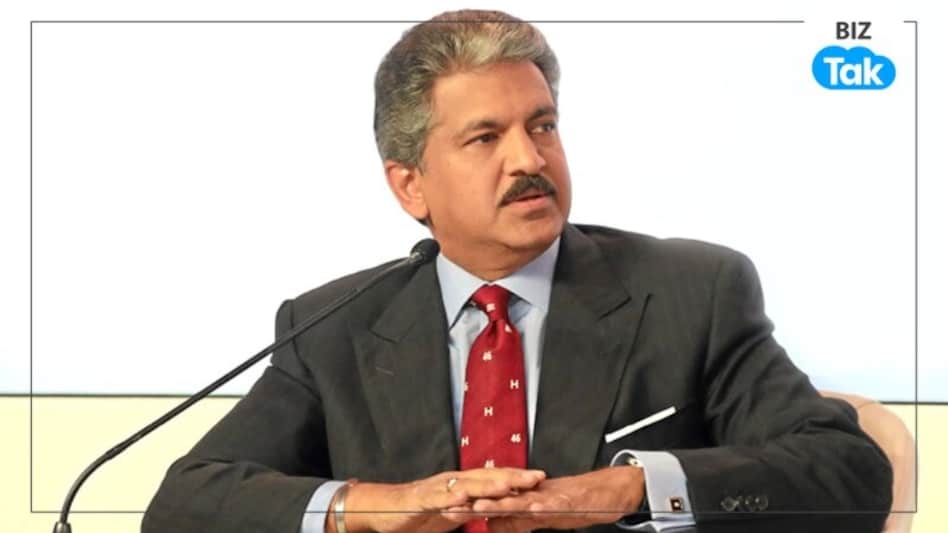
Why This Chipmaker Still Has Strong Potential After Recent Market Decline
Despite experiencing a significant 30% drop in stock value this month, analysts continue to express confidence in this s...
CNBC | Jul 17, 2026, 16:05
Florida Man Arrested for Allegedly Using Malware-Infested Games to Steal Cryptocurrency
U.S. authorities have taken a significant step in combatting cybercrime with the arrest of a 21-year-old Florida residen...
TechCrunch | Jul 17, 2026, 16:45
Xi Jinping Advocates for Open-Source AI Collaboration at Global Conference
At the World Artificial Intelligence Conference held in Shanghai, Chinese President Xi Jinping emphasized the necessity ...
Business Insider | Jul 17, 2026, 17:10