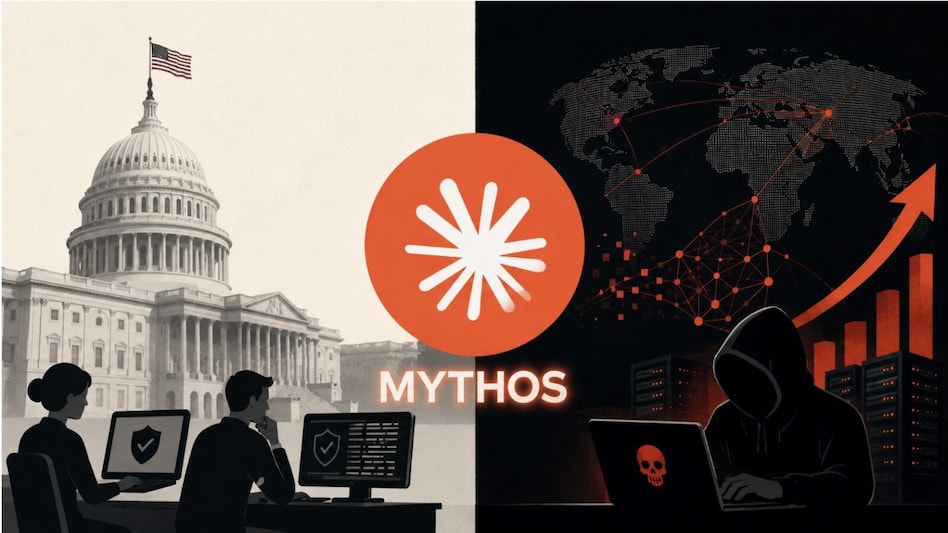
Anthropic’s Claude Fable 5 ban sparks lawsuit against US Commerce Department
The recent ban imposed by the U.S. government on Anthropic's latest AI model, Claude Fable 5, has prompted a significant legal challenge from a technology startup. This ban restricts access to AI models for individuals outside the U.S. and foreign nationals, leading Anthropic to limit access for all users to ensure compliance. On June 23, Legion, a litigation technology firm, filed a lawsuit in federal court in Washington against the U.S. Commerce Department. The company argues that its operations heavily depend on Anthropic's AI technology to power crucial components of its software. Although Legion is based in the U.S., its software development team operates from Canada, which has complicated their access to the necessary tools following the government's restrictions. In its legal filing, Legion asserts that the government ban has severely disrupted its business activities. The lawsuit states, "The harm to Legion is immediate, irreparable, and existential. The pace of frontier AI advancement is blistering, and competitive ground lost during a suspension cannot be regained after the fact." Each day the ban is in effect hampers Legion’s product development, sidelines engineers, and threatens the company's survival in an industry that demands continuous access to the most advanced AI models. In response to the situation, Anthropic is reportedly engaging with the U.S. government to find a resolution and maintain a collaborative relationship with regulators. A spokesperson from the company expressed appreciation for the administration's efforts to address the issue swiftly and reiterated their commitment to working with the government to protect critical infrastructure and uphold U.S. leadership in AI. Additionally, U.S. Commerce Secretary Howard Lutnick has cautioned Anthropic against releasing Fable 5 and Mythos 5 AI models internationally without prior government approval. This restriction has also underscored the urgent need for sovereign AI capabilities in India, where there is a growing emphasis on developing domestic AI models and infrastructure to decrease reliance on foreign AI technologies. The situation reflects broader concerns about how government policies can shape access to powerful AI tools and their applications.
The Shift in Human Cognition: Embracing AI as a Collaborative Tool
As technology continues to evolve, a notable shift is occurring in the relationship between humans and artificial intell...
Business Insider | Jul 25, 2026, 09:50Finland Unveils World's Largest Sand Battery to Tackle Renewable Energy Challenges
In a groundbreaking move to address the critical issue of renewable energy intermittency, a small town in southern Finla...
CNBC | Jul 25, 2026, 05:35
Warner Bros. Takes Legal Action Against Amazon Over Executive Poaching Allegations
Warner Bros. Discovery has initiated legal proceedings against Amazon, accusing the tech giant of unlawful interference ...
TechCrunch | Jul 25, 2026, 21:25
Nvidia Strikes Major Deal with SK Hynix to Secure AI Memory Supply
Nvidia has successfully forged a significant partnership with South Korea's SK Hynix to secure memory supplies essential...
CNBC | Jul 25, 2026, 05:15
The Aluminum Foil Trend: A DIY Shield Against Wireless Identity Theft
Have you noticed an unusual trend where people are wrapping their wallets in aluminum foil? This peculiar practice has e...
Business Today | Jul 25, 2026, 02:45