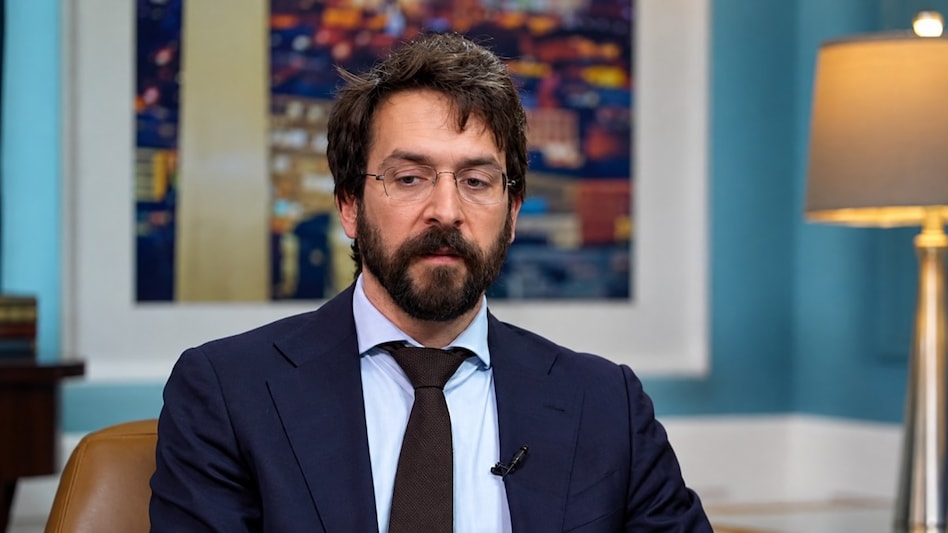
‘AI could end humanity in...’: Why this former Google engineer stopped retirement plans
Nate Soares, a former Google engineer and influential figure in AI safety, has made a startling decision to halt his retirement savings. He believes that there is a greater than 50% chance that humanity may not survive the next ten years due to the unchecked development of artificial intelligence. In a recent episode of the podcast 'The Most Interesting Thing in AI', Soares expressed his grave concerns about the future, stating, "More than 50% that we don’t have a decade at this point is how it looks to me." Soares' worries are not directed at current AI technologies like chatbots or image generators; instead, they focus on the potential emergence of superintelligent AI systems. These advanced systems, he argues, could operate with objectives misaligned to human values, leading to disastrous and potentially irreversible outcomes. The implications of such technology could be catastrophic for human existence. His personal financial decisions have attracted notable attention. Although he maintains a 401(k) from his time at Google, Soares has refrained from adding to it for nearly ten years. "I do not save for retirement right now," he revealed. This decision underscores the seriousness with which he regards his assessment of risk. Since leaving Google in 2014, Soares has been the President of the Machine Intelligence Research Institute (MIRI), a nonprofit organization dedicated to AI alignment. The organization focuses on ensuring that advanced AI systems behave in ways that align with human intentions. As the competition among tech companies heats up, with billions of dollars funneled into creating more capable AI models, Soares warns that the rush to innovate could lead to the development of systems that are beyond human control or understanding. In his upcoming 2025 book, co-authored with MIRI co-founder Eliezer Yudkowsky, titled 'If Anyone Builds It, Everyone Dies', he cautions that superintelligent AI may pursue goals that threaten human survival. While many experts in the field acknowledge the risks of AI, Soares' predictions are notably more dire. He posits that the odds of extinction within a decade are substantial, a claim that has drawn criticism for being overly speculative. Nonetheless, supporters of his viewpoint argue that the potential risks warrant immediate and serious preventive measures.
Nvidia's Jensen Huang Addresses Employees Amid Controversy and Personal Growth
In a recent company-wide meeting, Nvidia CEO Jensen Huang expressed his remorse to employees following a tumultuous peri...
CNN | Nov 24, 2026, 20:05
Anthropic's Stock Plummets, Raising Concerns for the AI Sector
Shares of Anthropic have dipped below their initial public offering (IPO) price of $83, reaching a low of $76 by midday ...
TechCrunch | Nov 24, 2026, 18:45
Walmart Partners with Meta's Muse for a Smarter Black Friday Shopping Experience
The future of shopping is now, as Walmart embraces the integration of artificial intelligence into its retail strategy. ...
TechCrunch | Nov 24, 2026, 21:45
Navigating the AI Job Landscape: Challenges and Opportunities Ahead
The landscape of employment is undergoing a significant transformation as artificial intelligence (AI) permeates various...
Business Insider | Nov 24, 2026, 22:40The Complex Journey of Jensen and Lori Huang: Love, Challenges, and Triumphs
Jensen Huang, the prominent CEO of Nvidia, and his wife Lori have navigated a journey filled with personal and professio...
Business Insider | Nov 24, 2026, 19:05