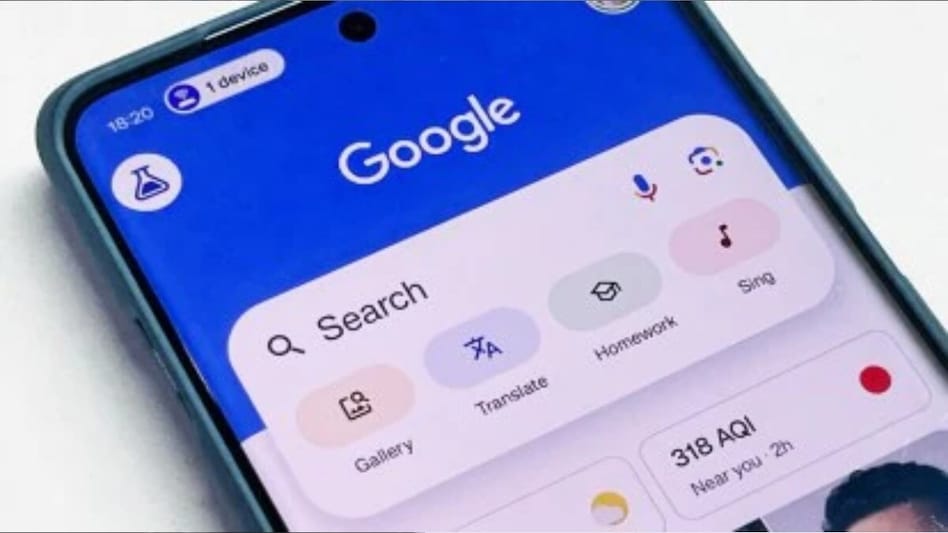
Google search traffic set to drop 40% as AI summaries squeeze publishers
Recent data from the University of Oxford’s Reuters Institute reveals a troubling trend for online publishers: Google search traffic is expected to plummet by 40% over the next three years. This decline is primarily attributed to the rise of 'zero-click' AI summaries that are increasingly replacing conventional search results. The report highlights that Google's AI Overviews are now a dominant element of the search experience, providing users with instant summaries rather than directing them to publisher websites. Alarmingly, over 33% of new websites worldwide have experienced a drop in Google search traffic, with an even steeper decline of 38% noted in the United States. Nic Newman, a senior research associate at the Reuters Institute, pointed out that publishers focusing on lifestyle or utility content—such as weather updates, TV guides, and horoscopes—are particularly susceptible to these changes. In response to the dwindling search referrals, many publishers are shifting their focus away from traditional text articles. There's a noticeable pivot toward engaging formats like YouTube videos, Instagram content, podcasts, and short-form video clips. Additionally, there’s a growing emphasis on original reporting and human-led storytelling, as publishers seek to set their content apart from AI-generated narratives. Notably, there has been a significant 79-point increase in planned investments in video and audio formats. The changing landscape is further complicated by the burgeoning creator economy. Seventy percent of news executives express concerns about the growing impact of independent news creators and social-media influencers. Meanwhile, around 20% of publishers are investigating licensing deals with AI platforms as a potential source of new revenue, although nearly half doubt these agreements will replace traditional income from advertising and subscriptions. To navigate this evolving environment, news organizations are turning to Answer Engine Optimisation (AEO). This strategy involves structuring content to ensure it is easily comprehensible and can be cited by AI systems, thereby enhancing visibility within AI-driven search tools and increasing the chances that their reporting is included in AI-generated summaries.
Revolutionizing Office Automation: Prentis Aims to Secure $100 Million in Funding
Prentis, a newly established AI research lab, is making waves in the tech industry as it prepares to raise $100 million ...
TechCrunch | Jul 25, 2026, 24:00
SpaceX's Latest Starlink Launch Marks Milestone Amid Booster Setbacks
On Friday, SpaceX marked a significant achievement by successfully launching its first batch of third-generation Starlin...
TechCrunch | Jul 24, 2026, 23:40
Vision Breakthrough: US Startup Launches Groundbreaking Retina Chip in Europe
Science Corp is poised to introduce a revolutionary retina chip in Europe, designed to restore partial vision for indivi...
Business Today | Jul 25, 2026, 01:00
Finland Unveils World's Largest Sand Battery to Tackle Renewable Energy Challenges
In a groundbreaking move to address the critical issue of renewable energy intermittency, a small town in southern Finla...
CNBC | Jul 25, 2026, 05:35
Waymo Considers Parting Ways with Uber Amid Rising Tensions
Waymo is reportedly exploring options to exit its partnership with Uber, which has allowed the Alphabet-owned firm to de...
TechCrunch | Jul 24, 2026, 21:00