
Google DeepMind Chief Scientist says AI already surpasses humans in most tasks
As artificial intelligence continues to advance rapidly, a pressing question within the AI community is whether these systems will soon outstrip human capabilities across various tasks or eventually reach Artificial General Intelligence (AGI). Jeff Dean, the Chief Scientist at Google DeepMind, has shared his insights on this topic, suggesting that today's AI models may already excel beyond average human performance in many routine activities, though with some important exceptions. In a recent episode of the Moonshot Podcast, Dean noted that current AI models are 'better than the average person at most tasks' that don't involve physical skills. He elaborated, stating that many individuals struggle with random tasks they've never encountered before, while today's AI systems can perform quite competently in diverse areas. However, Dean was quick to point out that these models still fall short in certain contexts, particularly when compared to human experts. "They will fail at a lot of things; they're not human expert level in some areas," he explained, highlighting the complexity of defining superiority in performance. When asked about the potential for AI to achieve breakthroughs faster than humans, Dean expressed optimism. He indicated that in some domains, we might already be nearing that threshold and anticipates a widening range of applications where AI can expedite advancements in science and engineering. "There will be numerous fields where automated search and computation can significantly propel progress," he remarked, envisioning a future where AI enhances human capabilities over the next couple of decades. Despite his insights, Dean refrained from delving deeply into the AGI discussion, citing the term's ambiguous nature within the field. He remarked, "The reason I tend to steer away from AGI conversations is that many people have very different definitions of it, and the challenges involved vary dramatically." In contrast, Demis Hassabis, CEO of Google DeepMind, has been more optimistic about the timeline for achieving AGI, suggesting it could happen within the next 5 to 10 years. This divergence in perspectives highlights the ongoing debate surrounding the future trajectory of AI development.
Nvidia Strikes Major Deal with SK Hynix to Secure AI Memory Supply
Nvidia has successfully forged a significant partnership with South Korea's SK Hynix to secure memory supplies essential...
CNBC | Jul 25, 2026, 05:15
The Rise of AI Distillation: A Controversial Technique Sparks Debate in Tech and Government
In recent discussions, a once-obscure topic in artificial intelligence has surged to the forefront of debates among tech...
CNBC | Jul 25, 2026, 12:15
Unlocking the Secrets of Quantum Gravity: Can AI Help Physics Make a Leap?
The realm of scientific research is undergoing a profound transformation, fueled by the rapid advancements in artificial...
Business Today | Jul 25, 2026, 24:30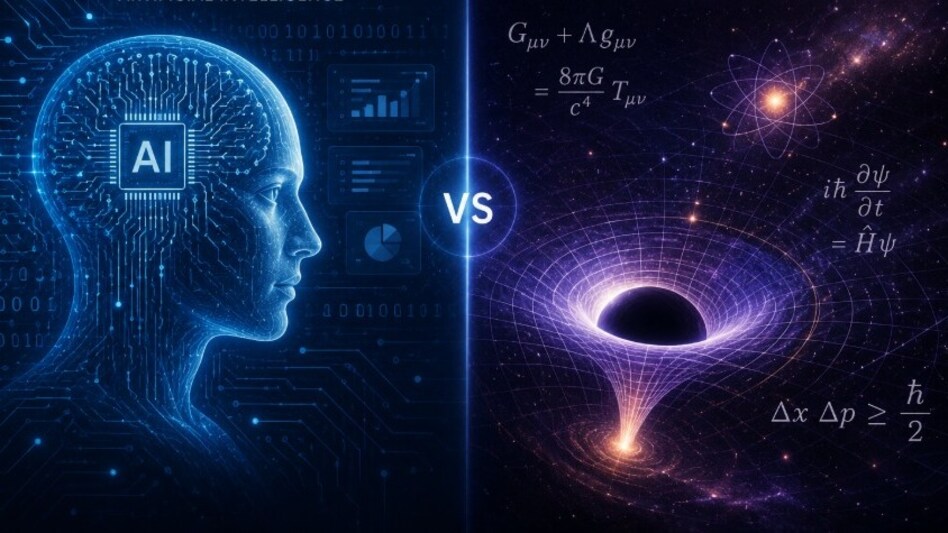
AI Transformations Lead to Major Job Cuts at Tech Giants
Monday.com, the innovative work management platform based in Tel Aviv, has recently announced significant layoffs, attri...
TechCrunch | Jul 26, 2026, 01:45
The Elusive Phineas Fisher: The Hacktivist Who Took Down Spyware Giants
In the realm of cybersecurity, few figures are as intriguing as Phineas Fisher, a hacker who has evaded capture for near...
TechCrunch | Jul 25, 2026, 21:00