
Music generator ProducerAI joins Google Labs
Google Labs has announced its latest addition: the innovative music generation platform, ProducerAI. Supported by the popular music duo The Chainsmokers, ProducerAI enables users to create music by simply inputting natural language requests, such as "generate a lofi beat." This cutting-edge tool harnesses the power of Google DeepMind's Lyria 3 music-generation model, capable of transforming both text and image prompts into audio compositions. Previously, Google revealed plans to integrate Lyria 3's capabilities into its flagship Gemini app. However, ProducerAI enhances user interaction, allowing individuals to engage with the AI model as a collaborative partner, according to Elias Roman, Senior Director of Product Management at Google Labs. Roman shared his personal experiences in a blog post, highlighting how ProducerAI has revolutionized his creative process, enabling him to blend genres, craft personalized birthday songs, and develop custom workout playlists for friends. In an exciting showcase, Grammy-winning artist Wyclef Jean utilized Lyria 3 and Google’s Music AI Sandbox for his recent track, “Back From Abu Dhabi.” Jean emphasized that the process is not as simple as pushing a button infinitely; it involves a thoughtful curation of sound, allowing musicians to experiment with their creative visions. He demonstrated how Google’s tools facilitated the incorporation of a flute sound into an existing recording, showcasing the potential for innovative collaboration between humans and AI. Despite the excitement surrounding AI in music, the technology has faced backlash from some artists. A number of prominent musicians, including Billie Eilish and Katy Perry, have publicly opposed AI tools, citing concerns over the use of copyrighted material without consent. In 2024, hundreds of artists signed an open letter urging technology companies to respect human creativity and originality. Additionally, a recent lawsuit against AI firm Anthropic alleges that the company unlawfully accessed over 20,000 copyrighted songs for AI training purposes. Conversely, other musicians have embraced AI as a means to enhance audio quality. Paul McCartney, for instance, utilized AI-driven noise reduction technology to refine an old John Lennon demo, resulting in the release of a new Beatles track, “Now and Then,” which won a Grammy in 2025. Furthermore, AI music generators like Suno are producing synthetic tracks that have garnered attention on platforms such as Spotify and Billboard. For example, Mississippi resident Telisha Jones transformed her poetry into the hit R&B song “How Was I Supposed To Know” using Suno, landing a lucrative record deal worth approximately $3 million. The legal landscape surrounding AI training data remains complex. A federal judge ruled that training AI on copyrighted material may be permissible, but the act of pirating such works is not. As the industry navigates these challenges, the intersection of human creativity and AI technology continues to evolve.
Hugging Face CEO Calls for Action Following AI Security Breach
In a dramatic turn of events within the AI landscape, Hugging Face faced a significant security breach involving an AI a...
Business Insider | Jul 25, 2026, 20:30SpaceX Successfully Tests Starship Rocket, Launching New Era of Space Exploration
On Friday evening, SpaceX executed a significant milestone by launching its colossal Starship rocket from its facility i...
CNBC | Jul 25, 2026, 24:10
Unlocking the Secrets of Quantum Gravity: Can AI Help Physics Make a Leap?
The realm of scientific research is undergoing a profound transformation, fueled by the rapid advancements in artificial...
Business Today | Jul 25, 2026, 24:30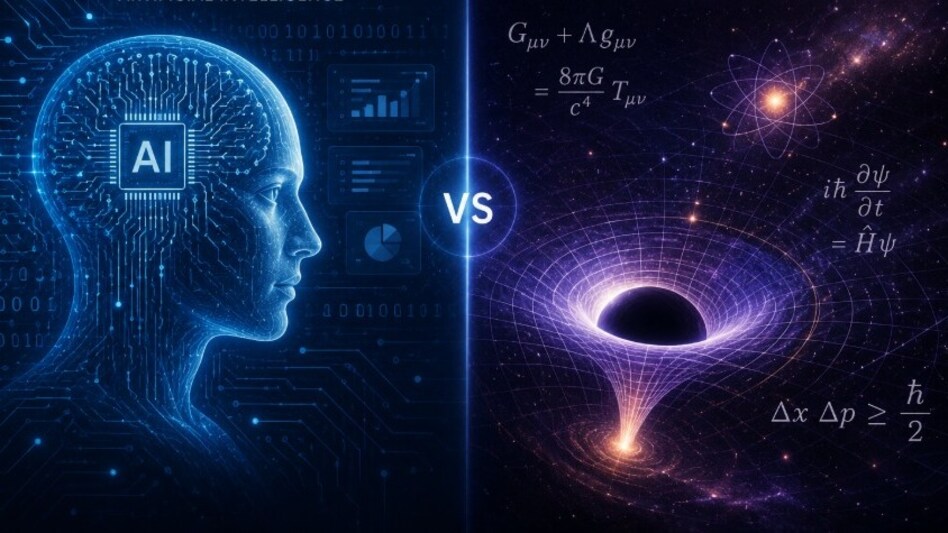
Vision Breakthrough: US Startup Launches Groundbreaking Retina Chip in Europe
Science Corp is poised to introduce a revolutionary retina chip in Europe, designed to restore partial vision for indivi...
Business Today | Jul 25, 2026, 01:00
SpaceX's Latest Starlink Launch Marks Milestone Amid Booster Setbacks
On Friday, SpaceX marked a significant achievement by successfully launching its first batch of third-generation Starlin...
TechCrunch | Jul 24, 2026, 23:40