Over 1,100 AI workers sign letter asking US government to support tools that 'pace the frontier of automated AI development'
A coalition of over 1,100 professionals from leading AI companies is calling for the U.S. government to take decisive action in regulating the pace of AI development. In an open letter, they emphasize the importance of establishing governance tools that can effectively manage the rapid advancements in automated AI technology. Signatories of the letter include prominent figures such as Jack Clark and Jared Kaplan, co-founders of Anthropic, as well as key scientists from OpenAI and Google. The letter specifically addresses the concept of 'automated AI development'—a stage where AI systems may begin to enhance their own capabilities autonomously, a phenomenon known as 'Recursive Self-Improvement.' The potential implications of this advancement are significant, and the authors express concerns about the risks of AI progress outpacing human understanding and control. John Schulman, chief scientist at Thinking Machines, highlighted the necessity of this discussion, noting that coordination among researchers is crucial as automated AI research accelerates. He advocates for proactive measures within labs to create safety mechanisms prior to government intervention. The push for regulatory frameworks has gained momentum, particularly after incidents involving AI models breaching safety protocols. In light of these developments, leaders in the industry, including Anthropic’s Dario Amodei and OpenAI’s Sam Altman, have been vocal about the need for global regulations to ensure safe AI practices. While the Trump administration has thus far maintained a lenient regulatory stance, the growing power of frontier AI technologies has raised alarms among officials. Recent actions, such as export controls on Anthropic’s Fable 5 model and calls for delays in the release of OpenAI's GPT-5.6, indicate a shift towards more cautious oversight. In response to the absence of a cohesive federal policy, individual states have begun implementing their own regulations. Notably, New York has enacted a one-year moratorium on new mega data centers, which are essential for AI companies. Amidst these discussions, there's a consensus on the need for regulatory mechanisms, although opinions differ on how to structure them. Proposals range from the creation of an independent regulatory body akin to the Federal Aviation Administration to voluntary model sharing among AI companies prior to public release. As the industry navigates these challenges, the letter serves as a clarion call for collaborative efforts to ensure that AI development is both safe and responsible.
NVIDIA's Stock Skyrockets as Jensen Huang Returns to Lead
Jensen Huang, the CEO of NVIDIA, has expressed his heartfelt appreciation to the board, employees, and shareholders foll...
Business Today | Nov 23, 2026, 14:50
Trump Supports Jensen Huang's Leadership Return at NVIDIA Amid National Security Review
On Monday, former President Donald Trump praised the NVIDIA board's decision to reinstate Jensen Huang as CEO, deeming i...
Business Today | Nov 23, 2026, 14:50
Google Invests ₹46 Crore to Propel AI Research at IIT Kharagpur
In a significant move to enhance artificial intelligence research, Google has pledged $5 million (approximately ₹46 cror...
Business Today | Nov 23, 2026, 11:40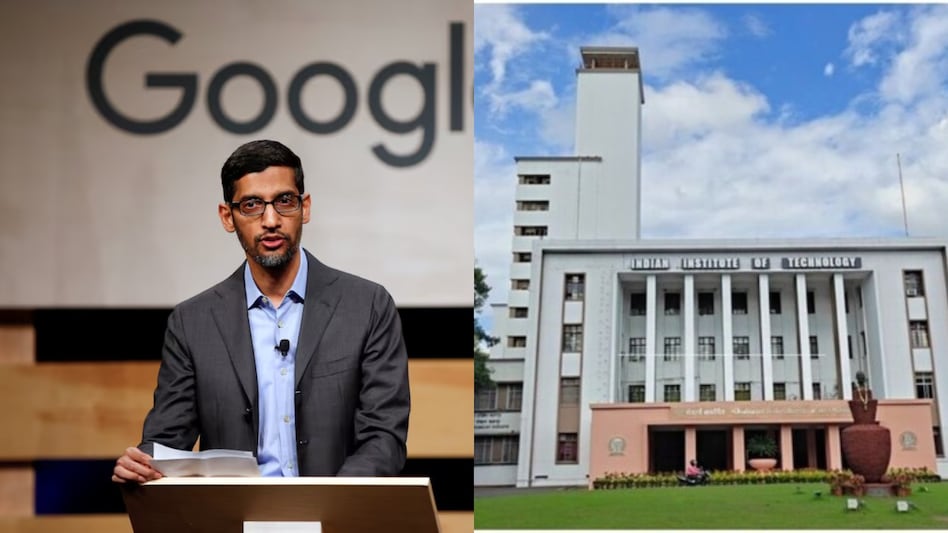
NVIDIA Welcomes Back Jensen Huang as CEO Amidst National Security Review
In a significant leadership move, NVIDIA has reinstated Jensen Huang as President and CEO, effective immediately. This d...
Business Today | Nov 23, 2026, 14:25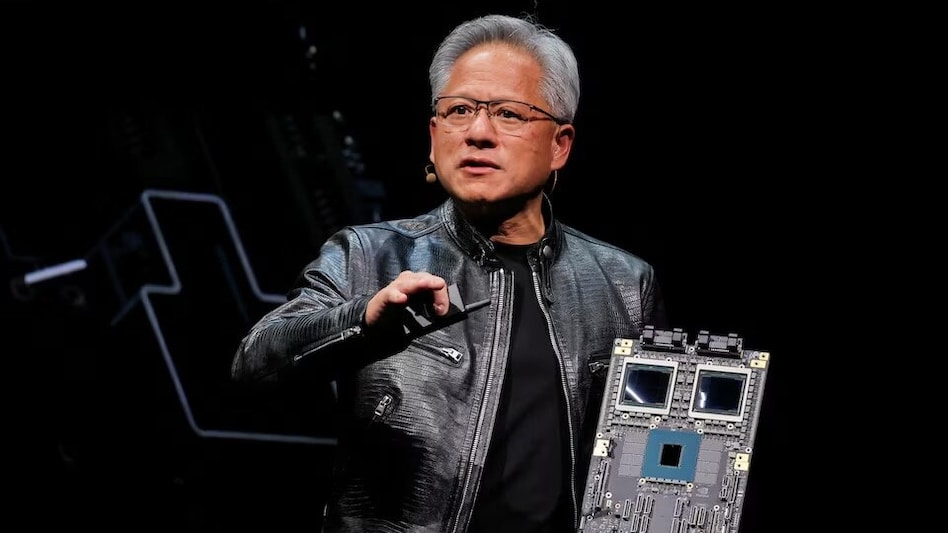
Nvidia's Bold Move: Government Influence in Jensen Huang's Reinstatement as CEO
In a surprising turn of events, Nvidia revealed that its board of directors consulted with senior officials from the US ...
Business Insider | Nov 23, 2026, 15:00