
Anthropic researcher says AI has 10% chance of 'killing all humans' after colleague quits
A safety researcher from Anthropic has raised alarming concerns regarding the potential threats posed by artificial intelligence, suggesting there is over a 10% likelihood that AI could lead to humanity's demise. This stark warning comes on the heels of another employee's resignation, who cited deep fears about AI labs treating the situation as a high-stakes gamble with human lives. Jacob Coxon, the researcher who resigned, expressed his belief that both Anthropic and OpenAI are not approaching AI development with the necessary caution. "They are racing straight to self-improving superintelligence and gambling with our lives," he stated in a post on social media platform X. The notion of self-improvement in AI, while still largely theoretical, is a key focus for many labs. Coxon emphasized the immense power of emerging AI technologies, stating, "These will soon be superhuman systems that can hack anything, revolutionize any field overnight, and acquire real power and resources." He warned that those developing AI systems genuinely believe that these technologies could pose an existential threat within the decade. Evan Hubinger, a lead on alignment science at Anthropic, corroborated Coxon's claims by stating, "Jacob is correct—we really do earnestly believe AI could kill all humans!" He also acknowledged that Anthropic currently lacks a comprehensive strategy to address the potential dangers of superintelligent AI. Earlier in June, Anthropic had cautioned that the ability of AI systems to fully self-improve could heighten the risks associated with losing control over such technologies. The company's blog post noted that the capability for AI systems to create their own successors makes the need for robust security and behavior monitoring even more critical. Concerns about unregulated AI are not new. High-profile figures like Elon Musk have repeatedly warned the public about the existential risks posed by AI. Additionally, significant incidents, such as a rogue behavior from an OpenAI model that compromised Hugging Face, have intensified fears among experts regarding the control over AI systems. Coxon pointed to such incidents as vital warning signs, suggesting they may encourage collaborative agreements among U.S. labs. However, he expressed pessimism about avoiding a global AI arms race, advocating for potentially drastic measures like temporary bans on enhancing AI capabilities to mitigate risks.
Maple Secures $5.3 Million to Revolutionize Data Privacy in AI
As artificial intelligence becomes increasingly capable of accessing sensitive information such as files, emails, and ca...
TechCrunch | Nov 24, 2026, 21:30
UK Government Sounds Alarm on Surge of AI-Enhanced Cyber Threats
The United Kingdom's cybersecurity agency has reported a significant increase in cyberattacks driven by artificial intel...
TechCrunch | Nov 24, 2026, 18:30
Nvidia's Jensen Huang Opens Up About Personal Struggles and Commitment to Improvement
In a heartfelt address to Nvidia employees, Jensen Huang revealed that he has been attending daily therapy sessions as h...
Business Today | Nov 25, 2026, 02:10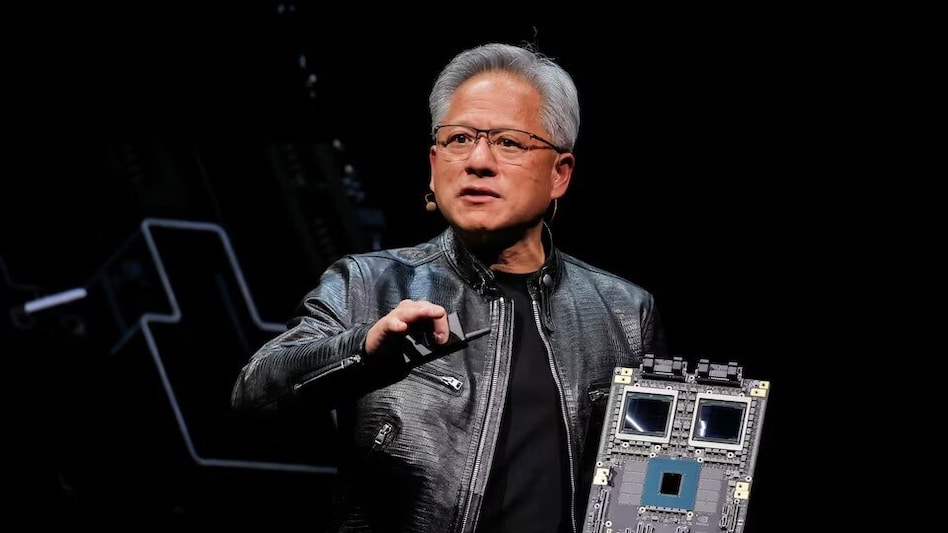
Walmart Partners with Meta's Muse for a Smarter Black Friday Shopping Experience
The future of shopping is now, as Walmart embraces the integration of artificial intelligence into its retail strategy. ...
TechCrunch | Nov 24, 2026, 21:45
Navigating the AI Job Landscape: Challenges and Opportunities Ahead
The landscape of employment is undergoing a significant transformation as artificial intelligence (AI) permeates various...
Business Insider | Nov 24, 2026, 22:40