A huge fight looms over the NASA budget this fall
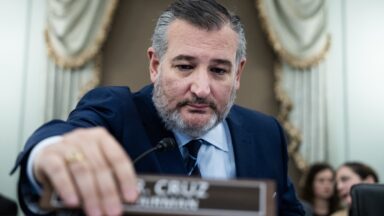
This week marks a significant moment for the U.S. space agency as it navigates the complex waters of federal budgeting. On Tuesday, a House committee approved a budget bill allocating $24.8 billion for NASA for the upcoming fiscal year. Just two days later, a Senate committee followed suit with a slightly higher figure of $24.9 billion. Both proposals aim to maintain funding at current levels, ensuring that NASA's ongoing projects can sustain their momentum. However, these budget measures are far from finalized. They must still pass through the full House and Senate, followed by a reconciliation process before reaching the President's desk for approval. With the new fiscal year set to commence on October 1—less than eleven weeks away—time is of the essence. Notably, the proposed budgets stand in stark contrast to the drastic cuts suggested by the Trump Administration, which aimed to slash NASA's budget by 25% and halve its scientific funding. Congress has also dismissed the Administration's plans to overhaul the Artemis Moon program, which included eliminating the Lunar Gateway and discontinuing the costly Space Launch System rocket and Orion spacecraft after just two more missions. While these funding proposals may provide some relief to the space community, underlying tensions suggest that a significant confrontation with the White House Office of Management and Budget looms. Some Congressional members are already preparing for a fierce debate. A straightforward resolution would involve the House and Senate reaching an agreement on the budget and passing it before the fiscal year concludes. Although Congress is responsible for establishing federal spending levels, it has struggled to do so punctually over the last several decades, achieving timely appropriations only about 10% of the time. This history has sometimes led to government shutdowns, but more frequently, Congress resorts to continuing resolutions to maintain current funding levels.
ASML Boosts Sales Outlook Amid Surge in AI Chip Production
On Wednesday, ASML announced an upward revision of its sales forecast, marking the second adjustment this year, driven b...
CNBC | Jul 15, 2026, 05:25
OpenAI Defends Itself Against Apple's Trade Secret Allegations
OpenAI has responded to the trade secret lawsuit filed by Apple, asserting that the claims lack substance. In a statemen...
TechCrunch | Jul 14, 2026, 22:20
Jim Cramer Dismisses AI Market Bubble Fears, Highlights Strong Valuations
In a recent discussion, CNBC's Jim Cramer expressed confidence that the current stock market is far from the bubble cond...
CNBC | Jul 14, 2026, 22:35
OpenAI Ventures into Hardware with a Unique AI Speaker
OpenAI is making waves with its entry into the hardware market, reportedly developing a mobile smart speaker that integr...
TechCrunch | Jul 14, 2026, 22:35
Hinge Founder Secures $18 Million for Innovative AI Dating Platform Overtone
Justin McLeod, the visionary behind Hinge, has successfully raised $18 million to launch a groundbreaking dating service...
TechCrunch | Jul 14, 2026, 20:05