
How the classic anime ‘Ghost in the Shell’ predicted the future of cybersecurity 30 years ago
In the year 2030, the cyber landscape is under siege by an enigmatic hacker known as the Puppet Master. This figure, a creation of Japan's Ministry of Foreign Affairs, embodies a government-supported hacker or advanced persistent threat (APT). The Puppet Master is responsible for a myriad of crimes, including stock manipulation, espionage, political engineering, terrorism, and breaches of cyber-brain privacy. This intriguing narrative forms the basis of the iconic anime 'Ghost in the Shell,' which recently celebrated its 30th anniversary. The story, adapted from Masamune Shirow’s manga published in May 1989, was remarkably prescient, coinciding with the dawn of the World Wide Web, which was invented the same year. The anime's depiction of a rogue government hacker captures the essence of modern cybersecurity threats. In one pivotal scene, officials from Public Security Section 6 explain how they tracked the Puppet Master, emphasizing their profiling and behavioral analysis, which mirrors the techniques employed by contemporary cybersecurity firms to thwart malware. These firms not only analyze malware signatures but also scrutinize its behavior, a practice known as heuristics. The plot further delves into themes of surveillance and hacking. Major Motoko Kusanagi, the central character and leader of the counter-cyberterrorism unit Section 9, hacks into a network to track down a garbage truck. This scenario reflects modern intelligence operations where hackers infiltrate expansive networks to surveil specific targets. Additionally, a subplot involving a garbage worker hacking into his wife's cyber brain underscores the dark reality of tech-enabled domestic abuse, a topic that has garnered increasing attention in today's digital age. Cybersecurity expert John Wilander has provided an insightful analysis of 'Ghost in the Shell,' highlighting its relevance to real-world hacking scenarios. He points out that the anime's depiction of hackers reusing exploits to evade detection and conducting malware investigations without alerting their creators mirrors actual practices within the cybersecurity community. While the anime takes creative liberties—transforming the Puppet Master into an advanced AI capable of controlling human consciousness—it is rooted in historical context. In the late 1980s, the concept of cybersecurity was only just emerging, yet the groundwork was already being laid by early computer viruses and espionage incidents. The narrative of 'Ghost in the Shell' serves as a time capsule reflecting the nascent concerns about cyber threats. Its creator, Masamune Shirow, seemed to possess an uncanny awareness of the hidden world of hacking, long before it became a mainstream issue. As we reflect on the impact of this groundbreaking series, it serves as a reminder of how far we've come in understanding the complexities of cybersecurity and the ever-evolving nature of digital threats.
Apple Takes Legal Action Against OpenAI for Alleged Trade Secret Misappropriation
In a significant legal move, Apple has launched a lawsuit against OpenAI, accusing the AI company of stealing trade secr...
TechCrunch | Jul 10, 2026, 20:45
OpenAI Strengthens Leadership with Greg Brockman Amid Strategic Shift
OpenAI has appointed Greg Brockman as the new leader overseeing its key projects, following the resignation of Fidji Sim...
CNBC | Jul 10, 2026, 19:25
Apple Takes Legal Action Against OpenAI Over Alleged Theft of Trade Secrets
In a significant legal move, Apple has filed a lawsuit against OpenAI, claiming that the AI company has unlawfully utili...
CNN | Jul 10, 2026, 20:35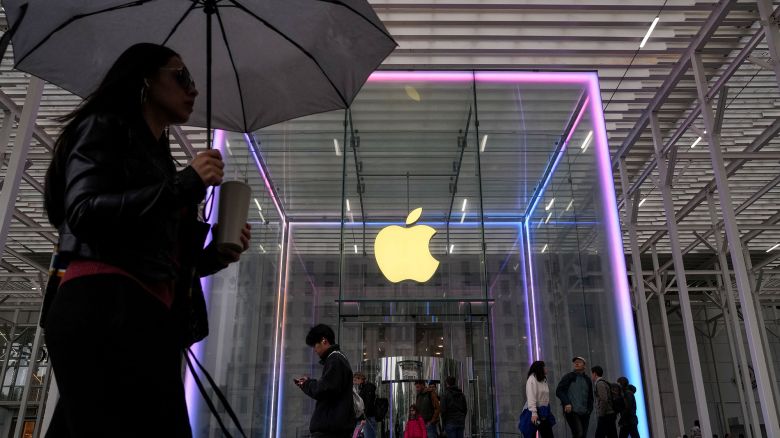
The Flip Phone Revolution: How One Woman's Challenge Sparked a New Trend
Lydia Peabody's world turned upside down when she spotted a friend at a party wielding a flip phone. Initially taken aba...
TechCrunch | Jul 10, 2026, 16:40
Apple Takes Legal Action Against OpenAI Over Recruitment Practices
In a significant development in the ongoing battle for AI talent, Apple has filed a lawsuit against OpenAI, accusing the...
Business Insider | Jul 10, 2026, 22:50