
From iPhone Air to Galaxy Z tri-fold: Check out the biggest launches of 2025
The year 2025 marked a significant leap in technology, showcasing an array of groundbreaking devices that hint at the future of mobile tech. Among the highlights was Apple’s launch of the iPhone Air, a sleek and lightweight flagship designed to revitalize its core lineup. This ultra-slim phone, measuring just 5.64mm and weighing in at 165 grams, boasts a stunning 6.5-inch Super Retina XDR OLED display that features a 120Hz refresh rate and can achieve peak brightness levels of up to 3,000 nits. With Ceramic Shield 2 protection, HDR compatibility, and True Tone support, the display is a major selling point. Under the hood, the iPhone Air is powered by the A19 Pro chip and offers storage options ranging from 256GB to a massive 1TB. However, the device comes with a compromise: it includes a single 48MP wide-angle lens, while the front features an 18MP Centre Stage camera with autofocus, consistent with the other models in the iPhone 17 series. Meanwhile, Samsung pushed boundaries with its Galaxy Z Tri-Fold, which has begun rolling out to select markets. This innovative foldable smartphone sports a substantial 10.0-inch QXGA+ Dynamic AMOLED 2X main display, also featuring a 120Hz refresh rate and a brightness level reaching 1,600 nits. Additionally, it has a secondary 6.5-inch FHD+ cover screen at 2,600 nits brightness, powered by the Snapdragon 8 Elite Mobile Platform and equipped with 16GB of RAM. Samsung's flagship foldable also boasts impressive camera capabilities with a 200MP main sensor, a 12MP ultra-wide lens, and a 10MP telephoto lens offering 3x optical zoom. It runs on a robust 5,600mAh battery, supporting both 45W wired and 15W wireless charging, and comes with an IP48 rating for water and dust resistance. The year also saw a resurgence of compact phones, appealing to those seeking easier handling without sacrificing performance. The OnePlus 13s made waves with its 6.32-inch LTPO AMOLED display and Snapdragon 8 Elite processor, soon followed by Vivo’s X200 FE, featuring a slightly smaller 6.31-inch 1.5K LTPO AMOLED display, Dimensity 9300 processor, and an impressive 6,500mAh battery. As both brands gear up for 2026, the competition in the compact flagship arena is expected to intensify. In the realm of smart eyewear, Meta launched the upgraded Ray-Ban Display, integrating a full-color, high-resolution display into the lenses. This model includes a 600x600-pixel monocular display with a 20-degree field of view, six microphones, and open-ear speakers for an immersive experience. Additionally, the new Neural Band technology allows users to control the glasses using subtle hand gestures, further blending the lines between technology and everyday life.
Nvidia's Jensen Huang Calls for a More Balanced AI Narrative Amid Growing Public Concerns
In a recent interview, Nvidia's CEO Jensen Huang urged leaders in the artificial intelligence sector to adopt a more con...
Business Insider | Jul 24, 2026, 09:50Meta Tightens Rules on Smart Glasses to Protect User Privacy on Instagram
Meta has taken a significant step in addressing privacy issues related to smart glasses by implementing new guidelines f...
Business Today | Jul 24, 2026, 11:50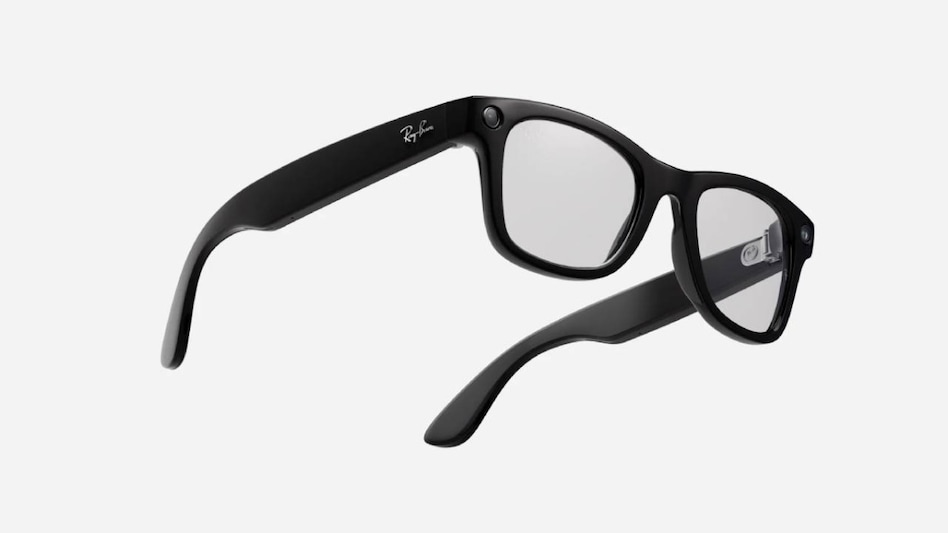
Fremont Emerges as a Robotics Hub: The Rise of Agility Robotics and Its Ambitious Plans
In a surprising turn of events, Fremont, a city traditionally known for its industrial parks, is rapidly becoming a foca...
Business Insider | Jul 24, 2026, 08:25Tech Giants Unite to Advocate for Open AI Models Amid Regulatory Concerns
In a bold move reflecting their shared vision for the future of artificial intelligence, leading tech figures have come ...
Business Insider | Jul 24, 2026, 14:45Midjourney Expands Horizons with Acquisition of Co-Star Astrology App
In a significant move to diversify its offerings, Midjourney, the AI lab renowned for its innovative image and video gen...
TechCrunch | Jul 24, 2026, 15:25